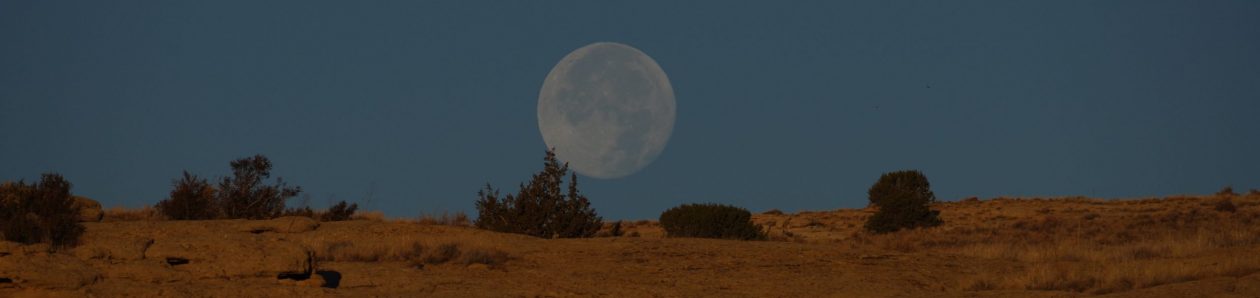
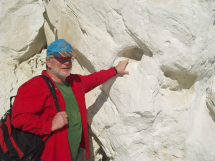
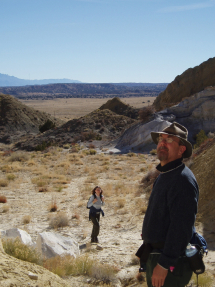
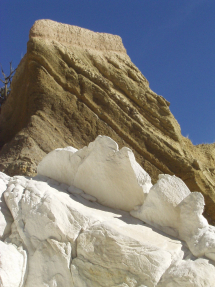
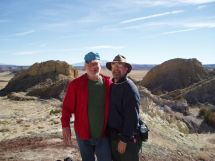
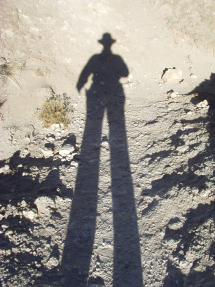
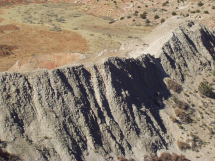
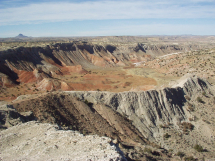
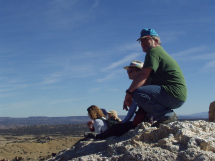
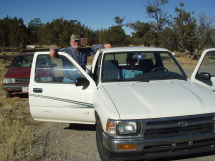
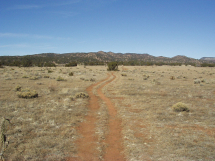
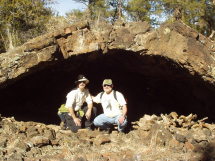
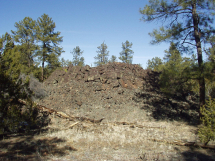
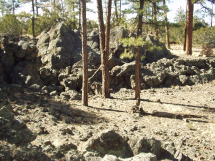
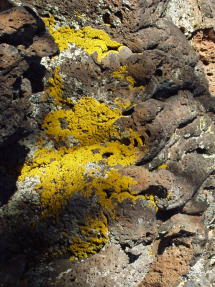
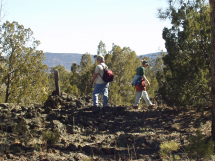
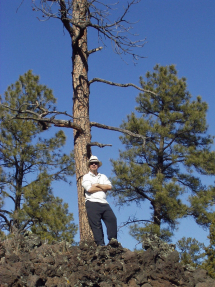
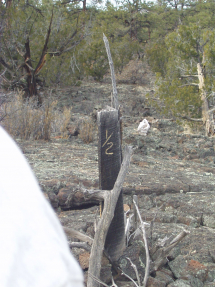
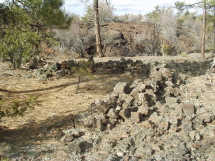
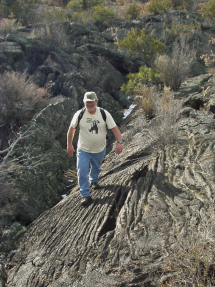
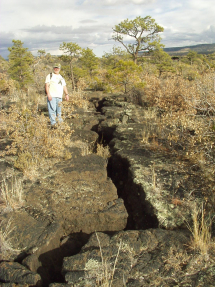
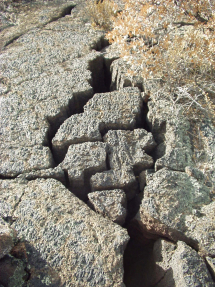
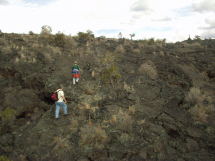
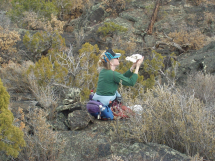
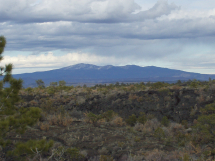
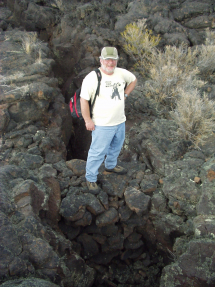
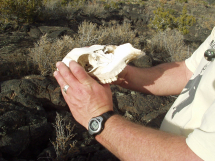
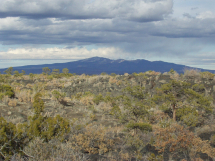
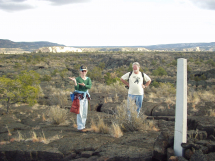
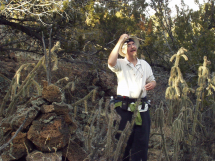
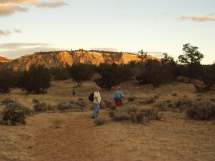
Another occasion in the wilderness with James, this time with the family in Ojito Wilderness, northwest of Albuquerque, New Mexico. Starkly beautiful.
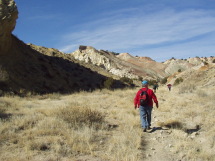
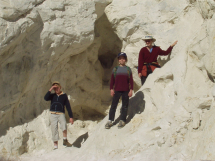
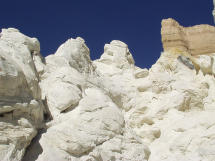

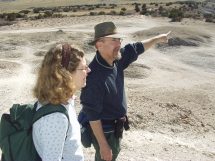
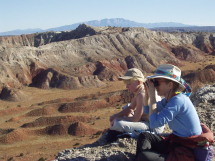
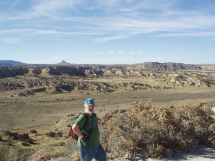
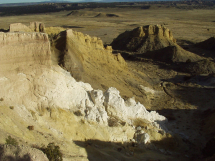
Another way of looking at it
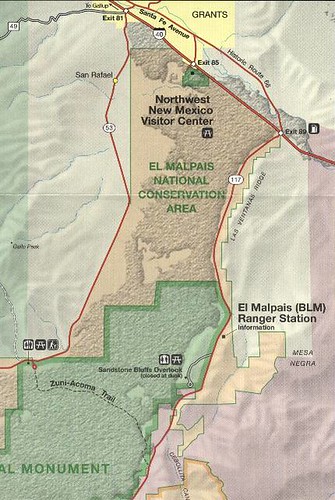
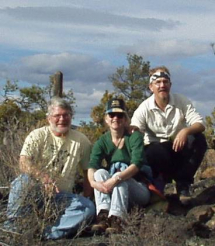
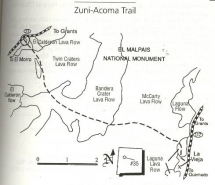
Hiking the Zuni-Acoma Trail in El Malpais
We did this in 2003 — 20 years ago!
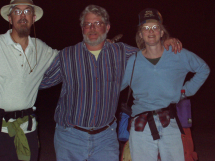
Not-BIRDS OF TEXAS FALL MIGRATION

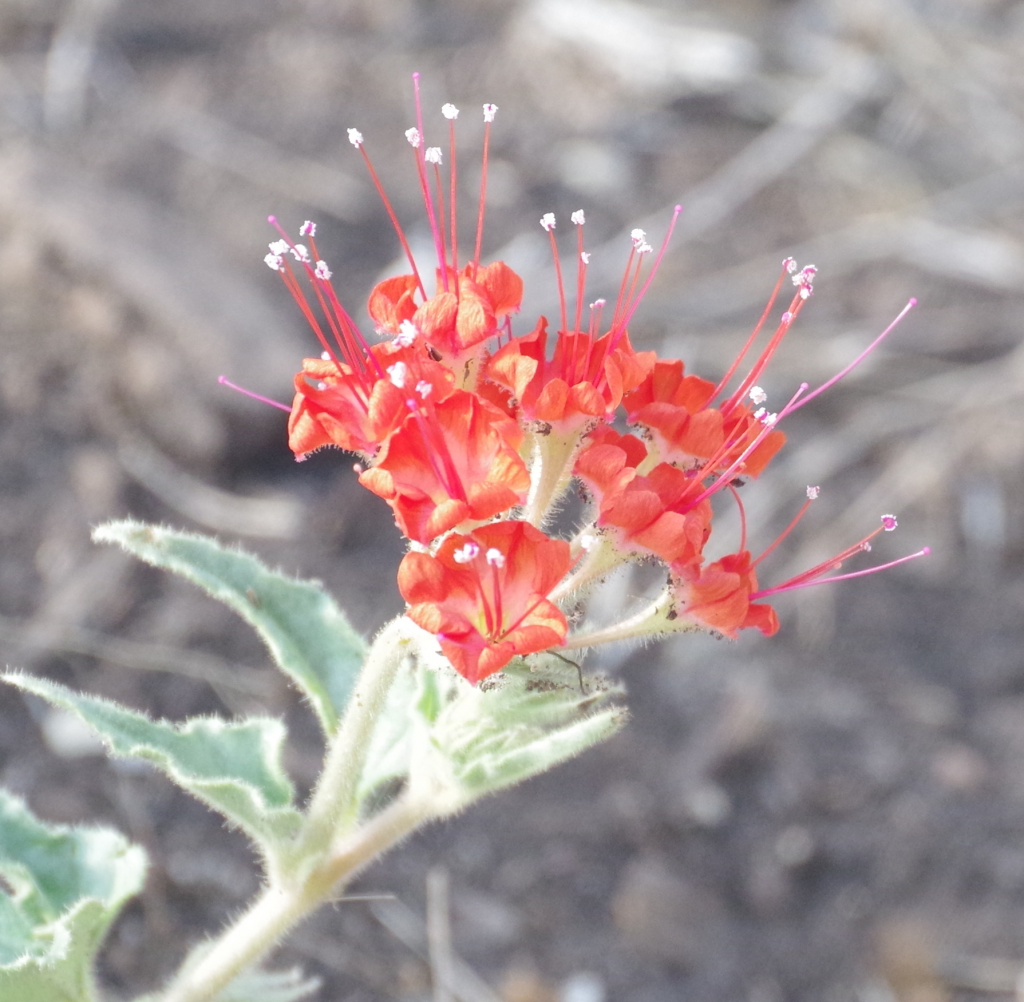
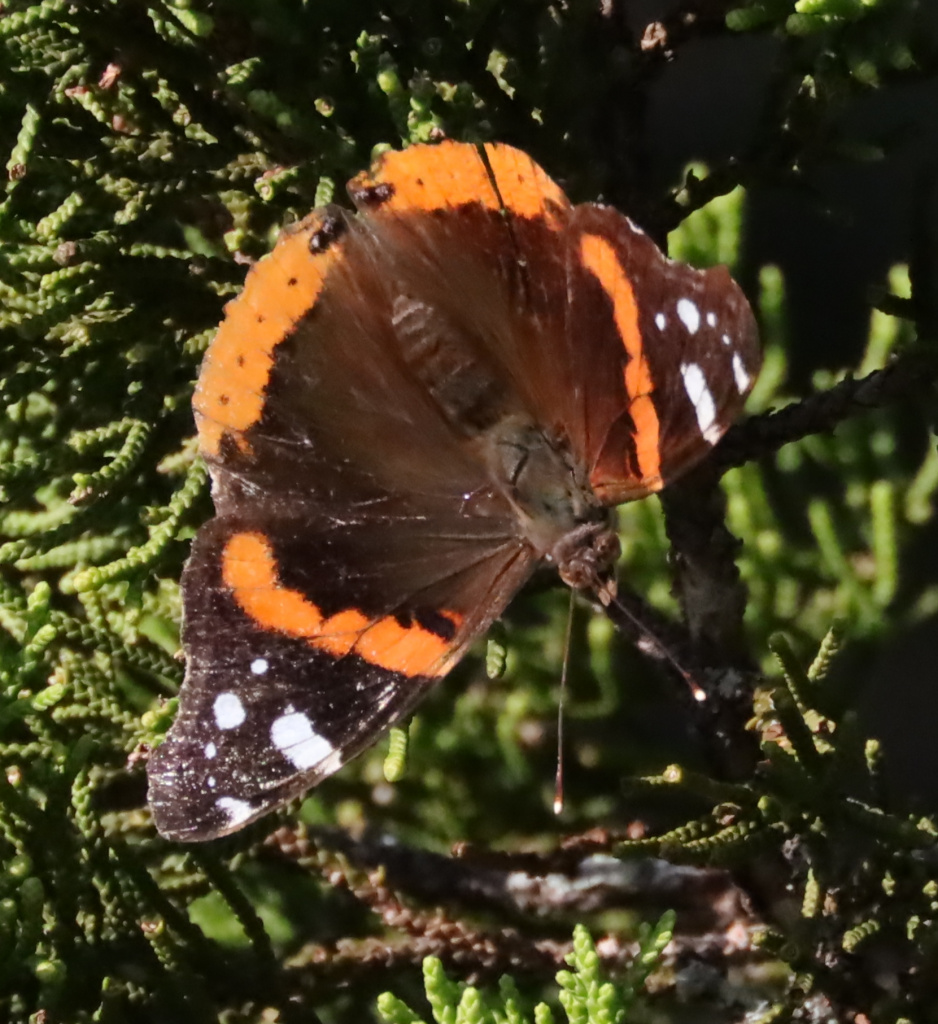
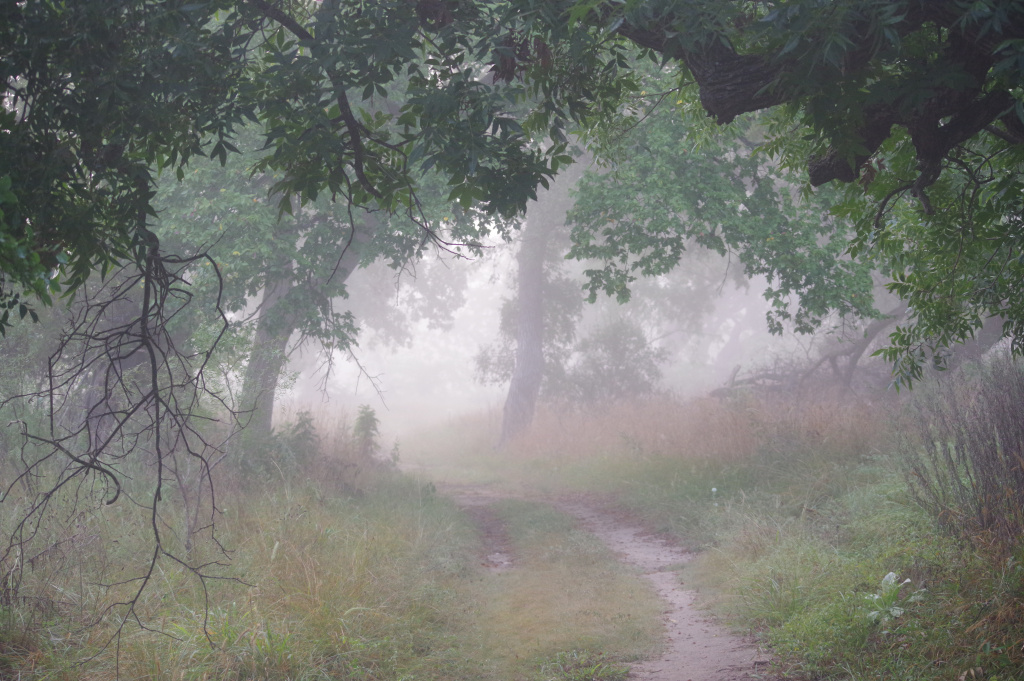
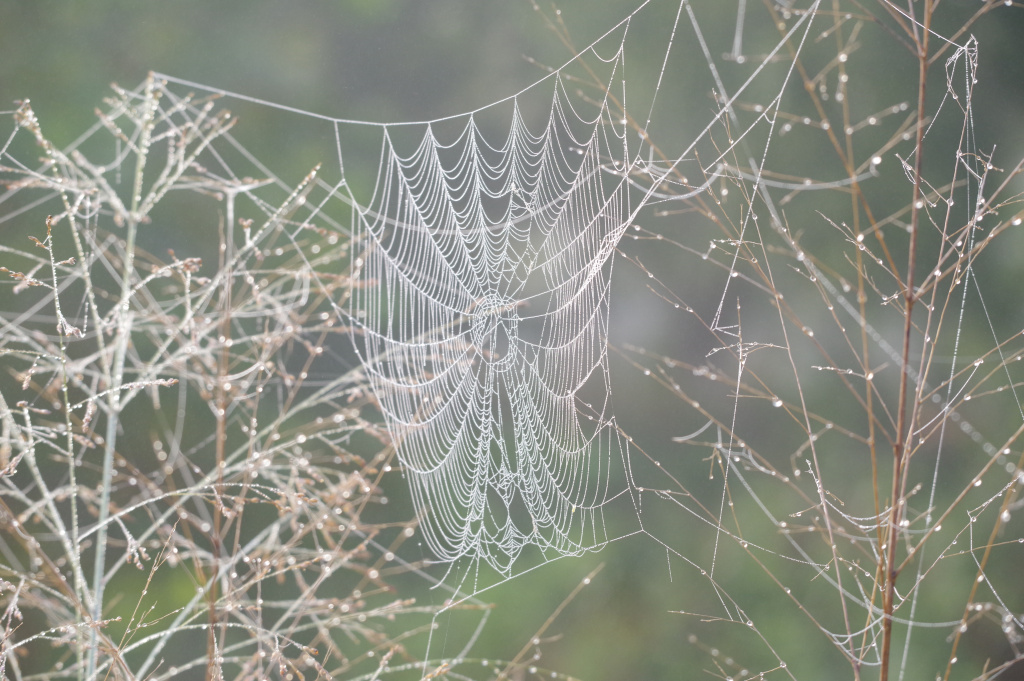
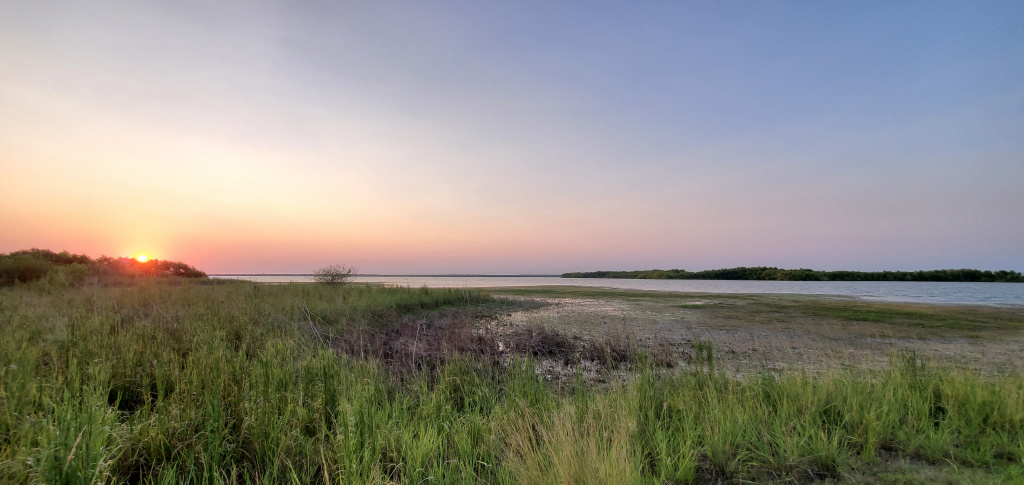
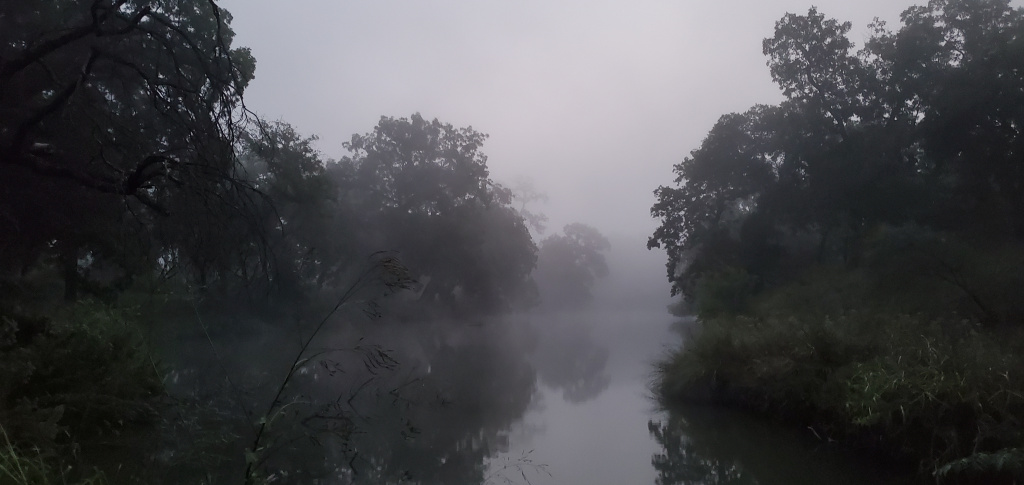
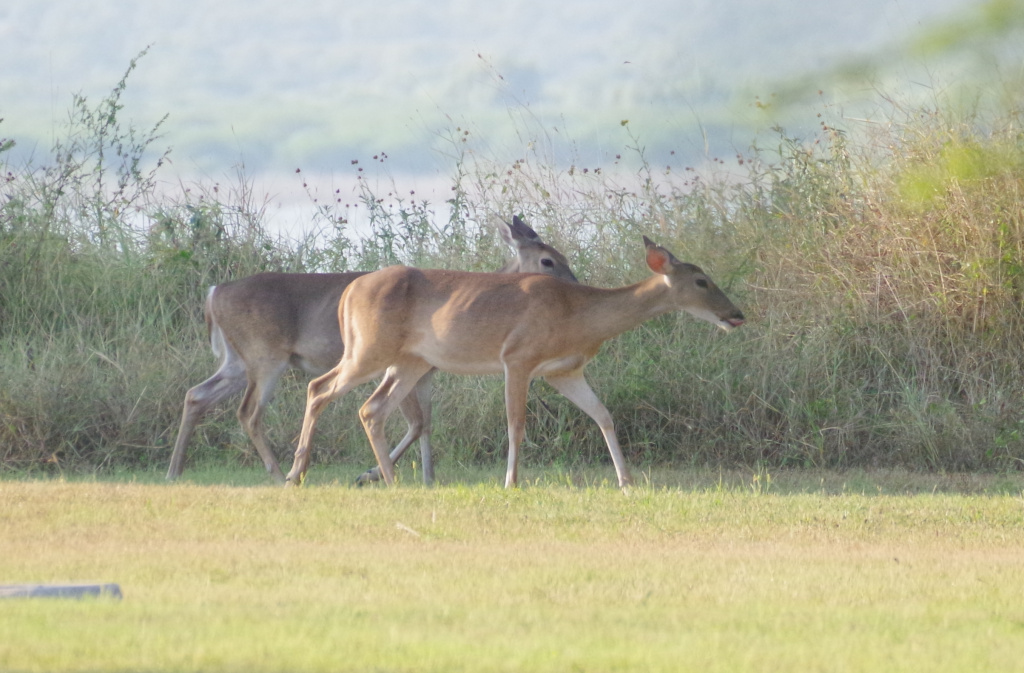
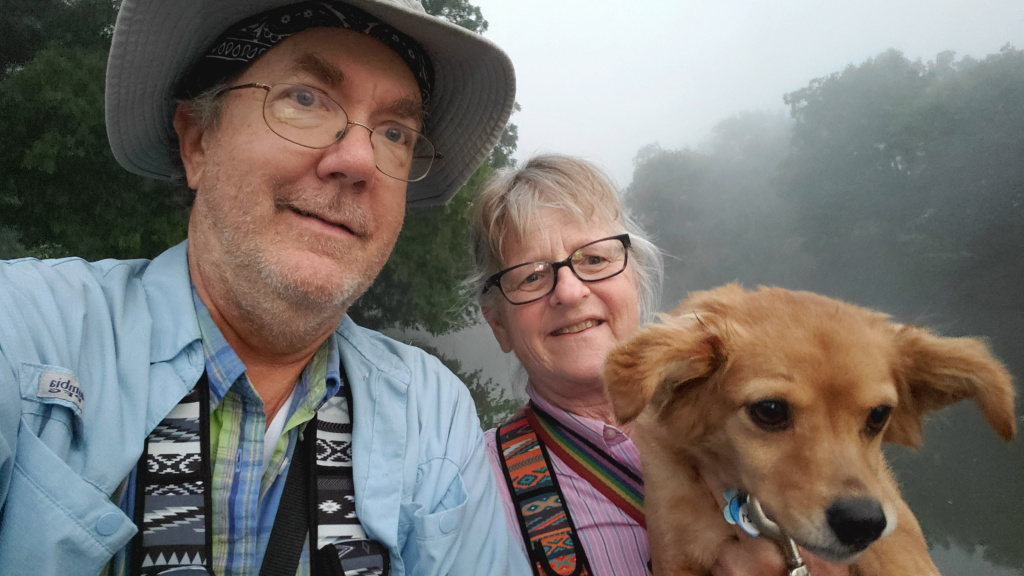

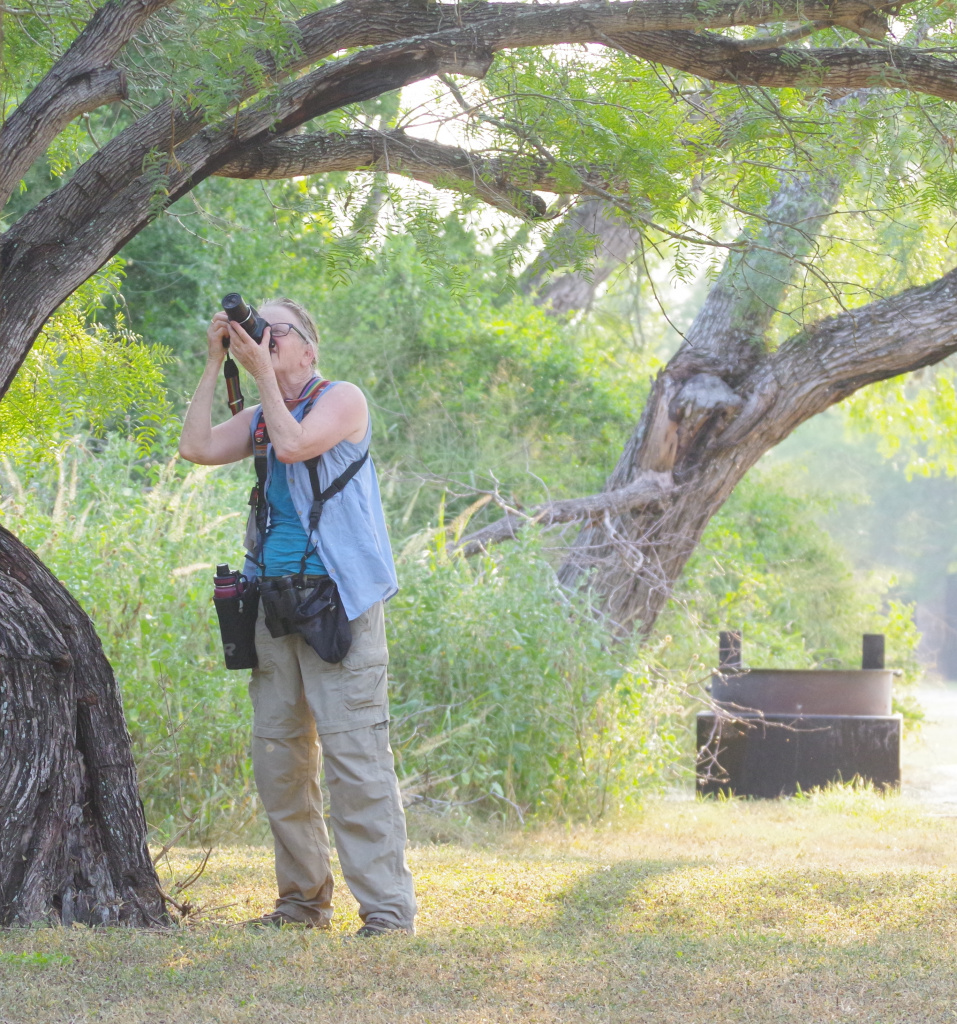
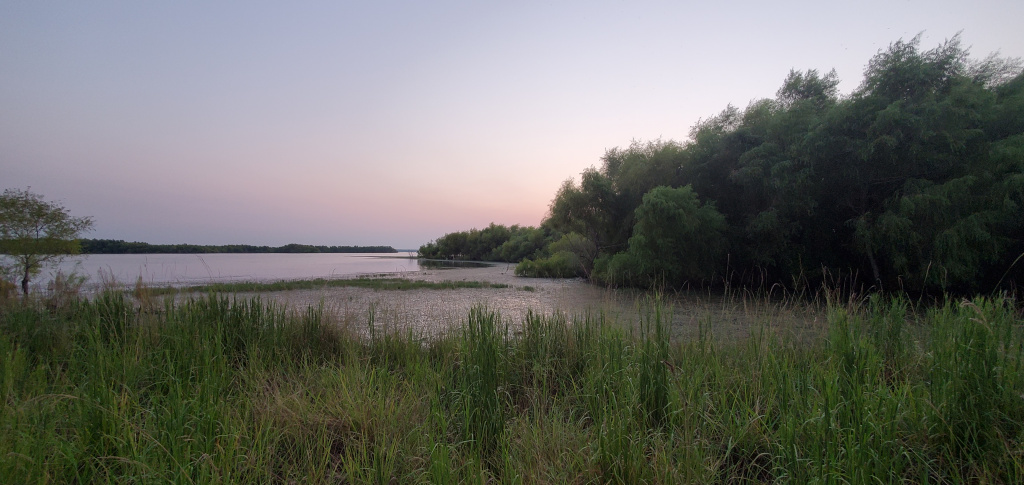
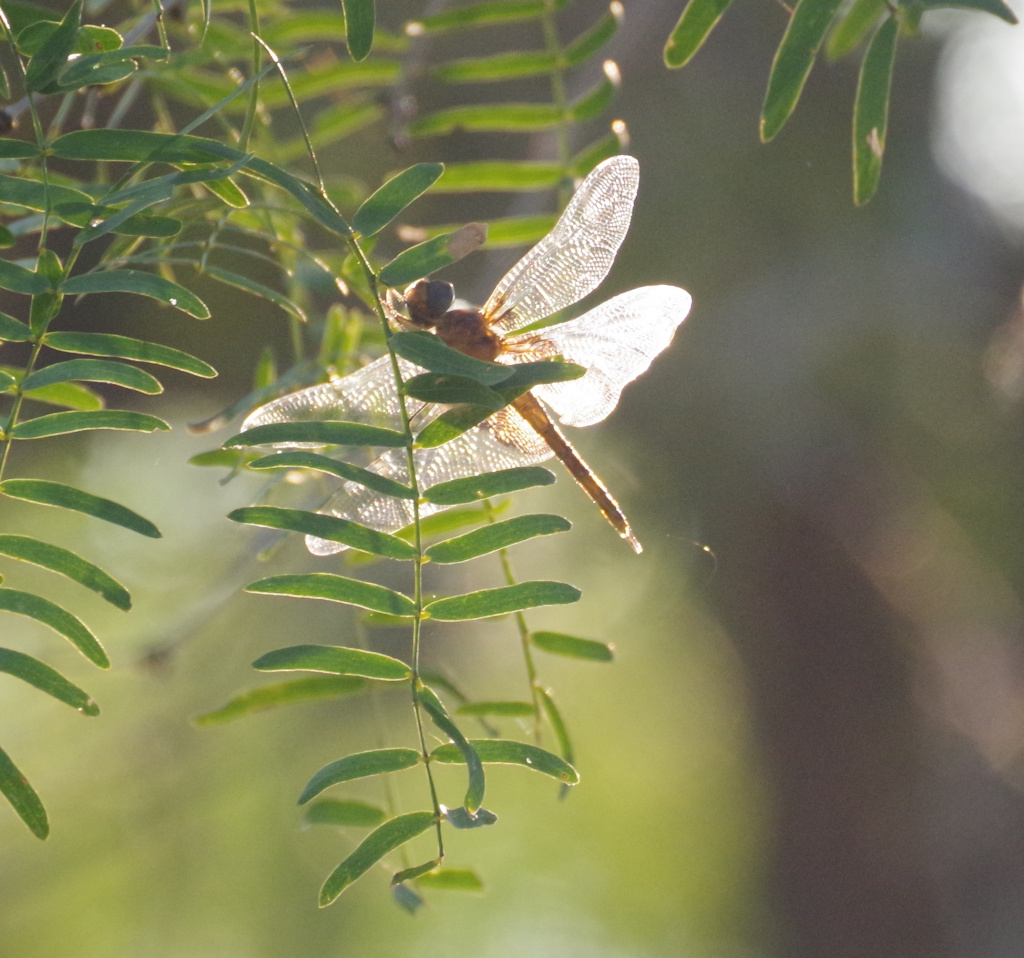
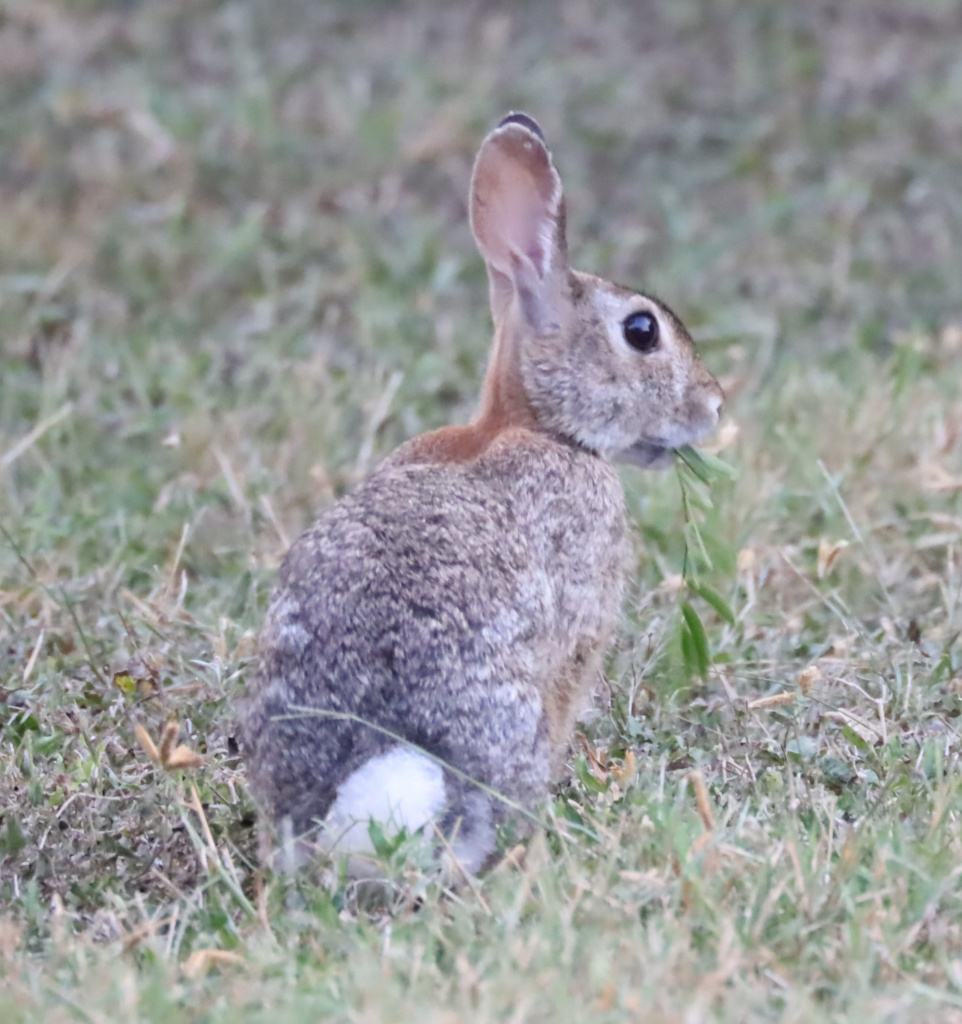

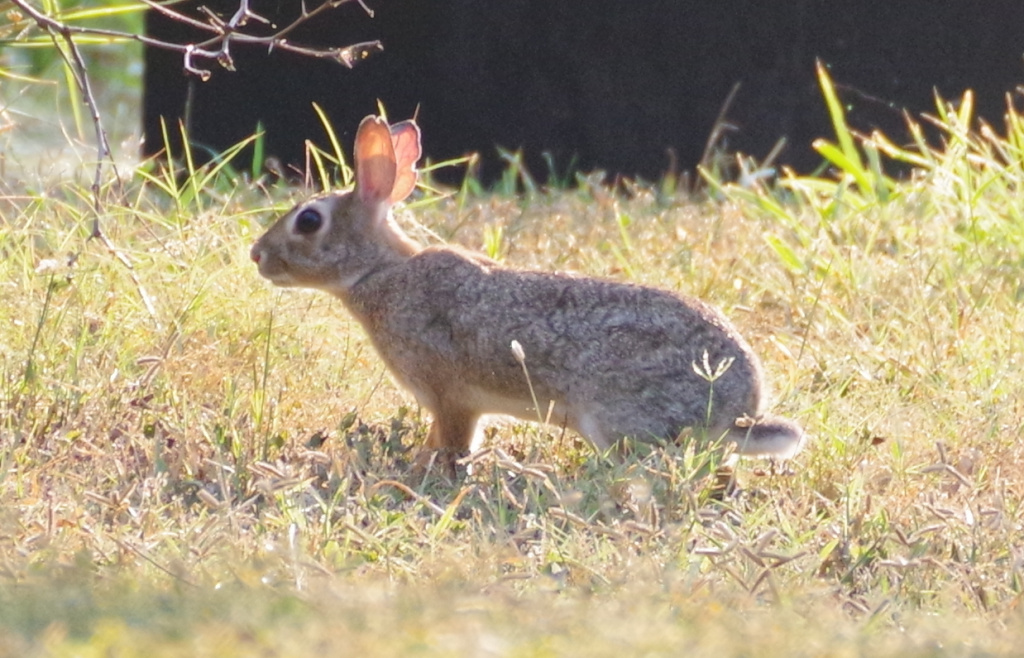
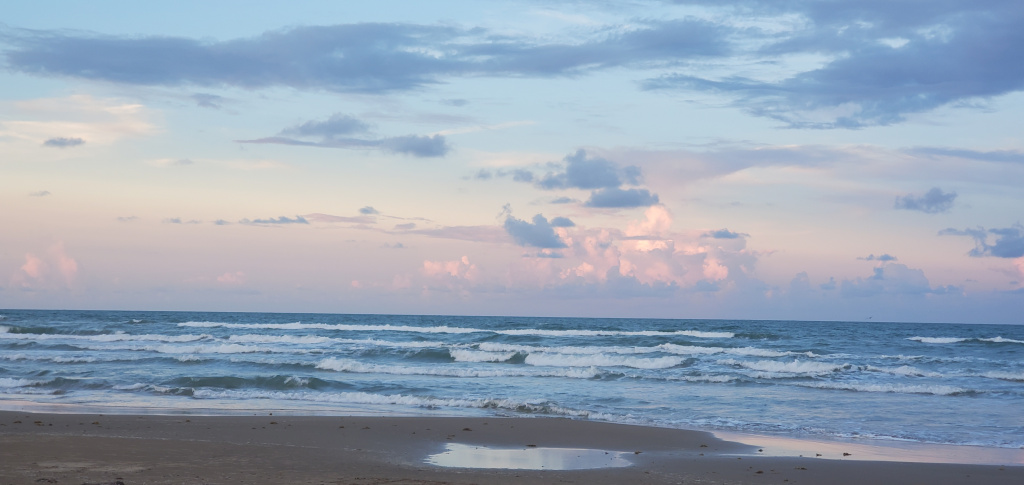
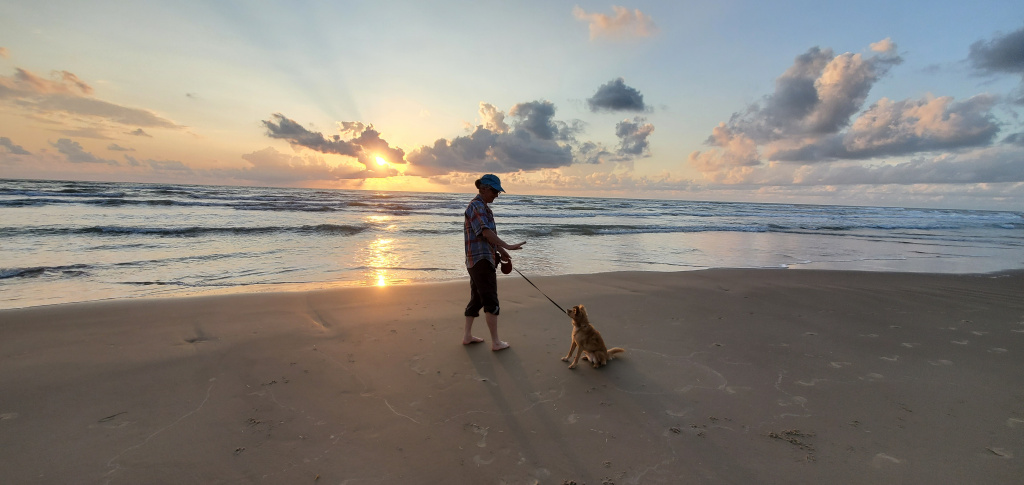
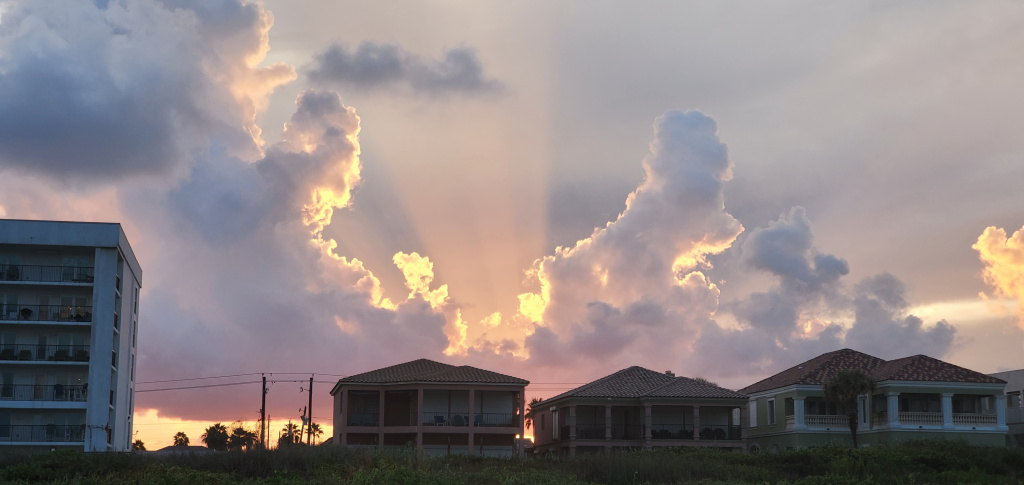
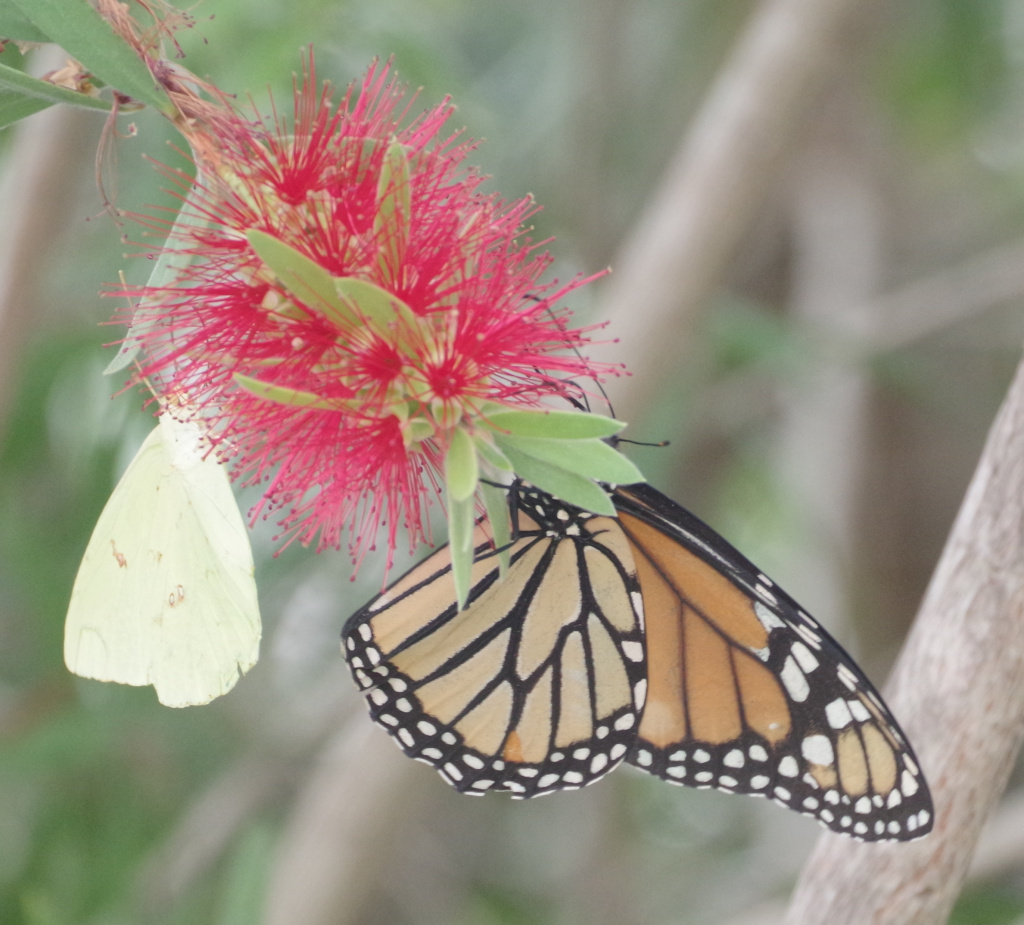
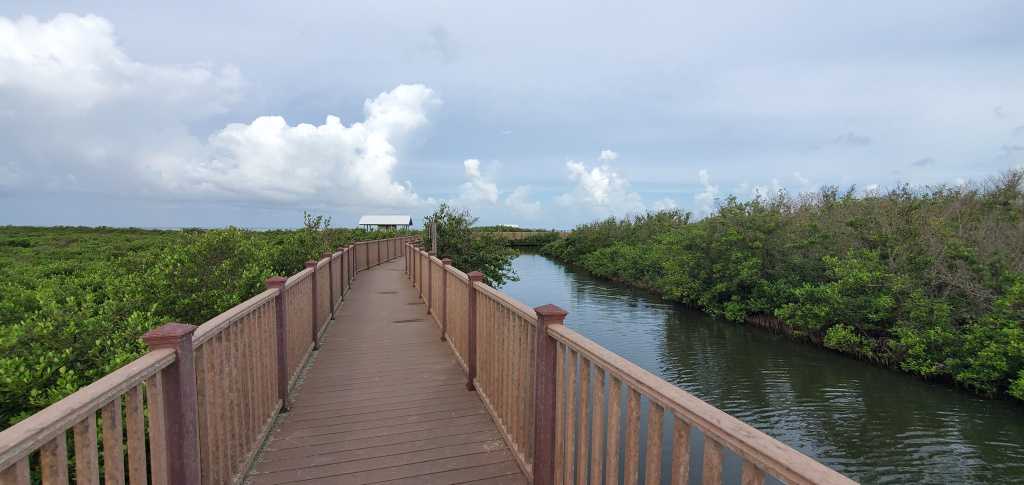
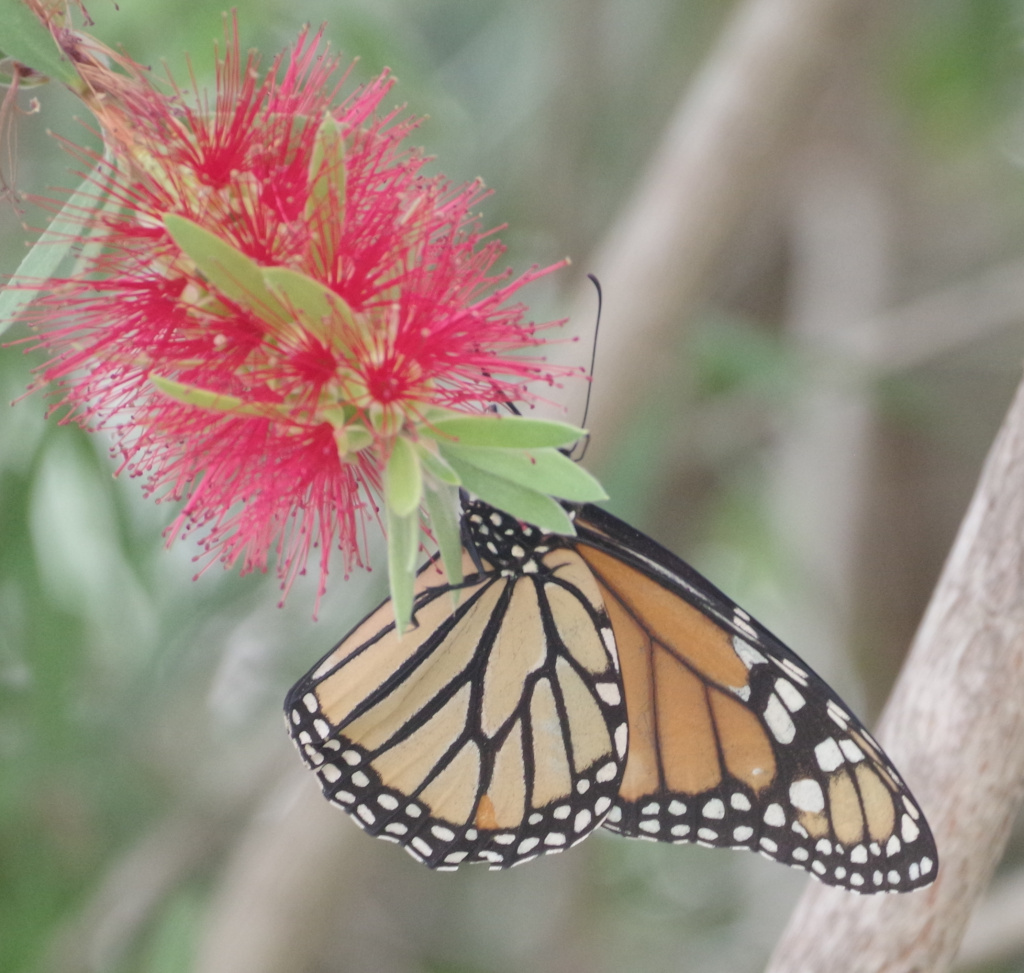
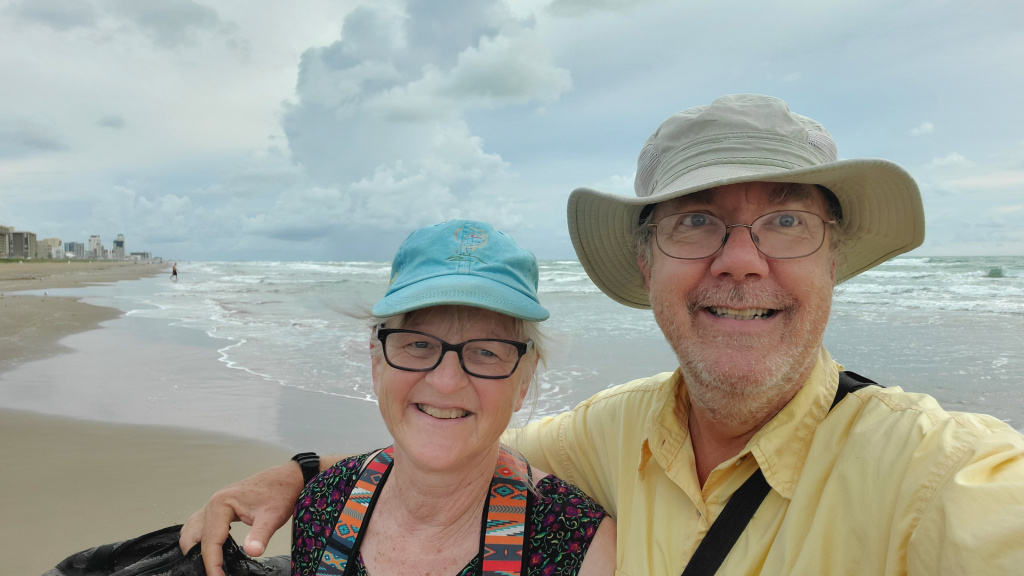

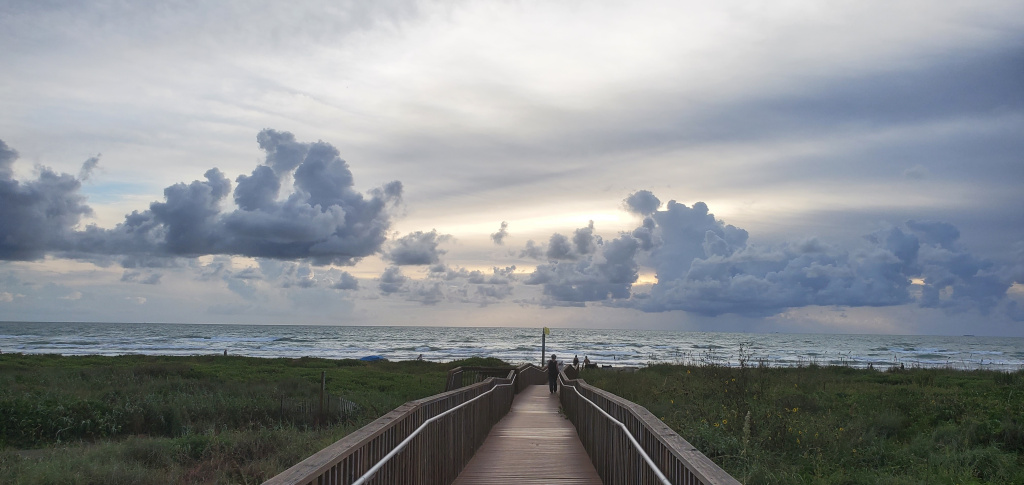
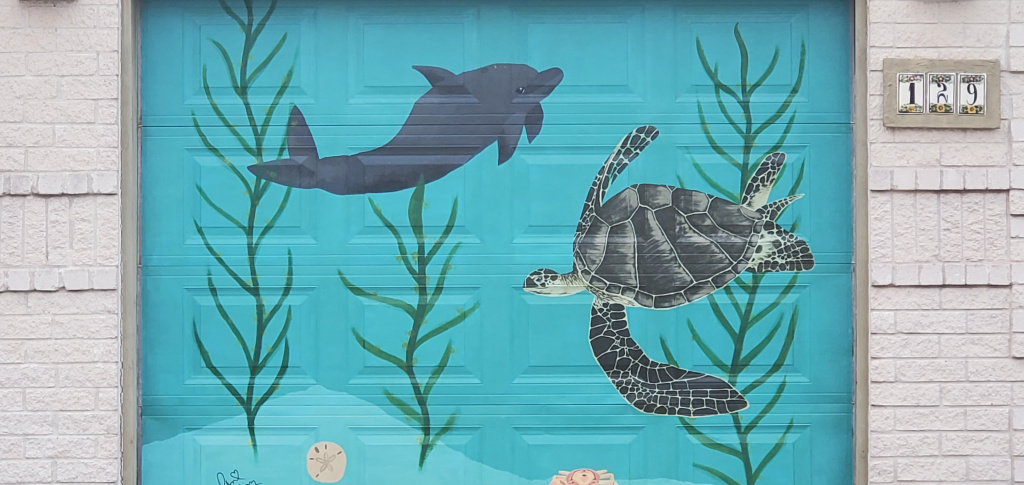
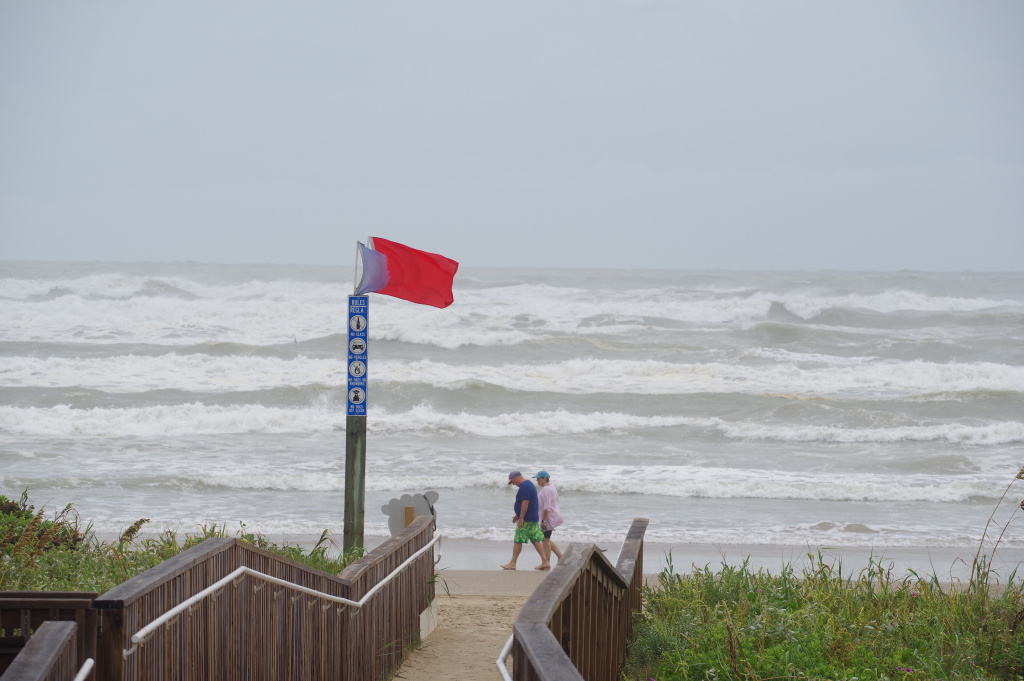
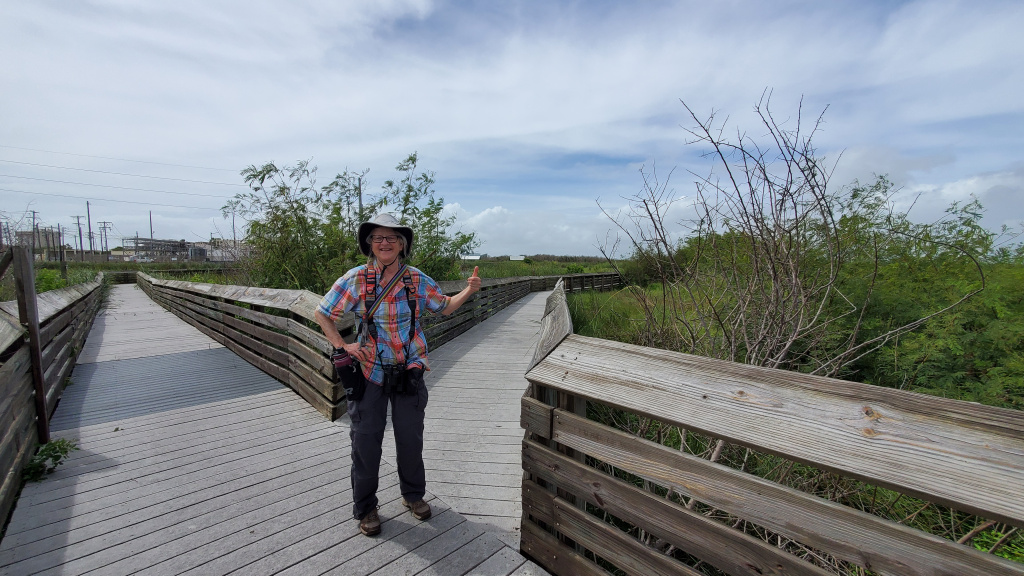
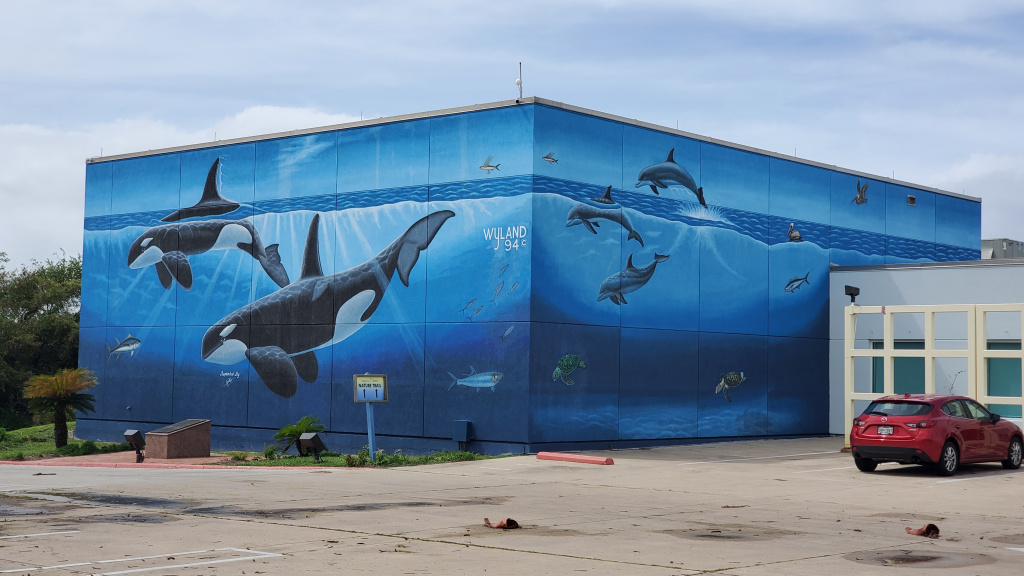
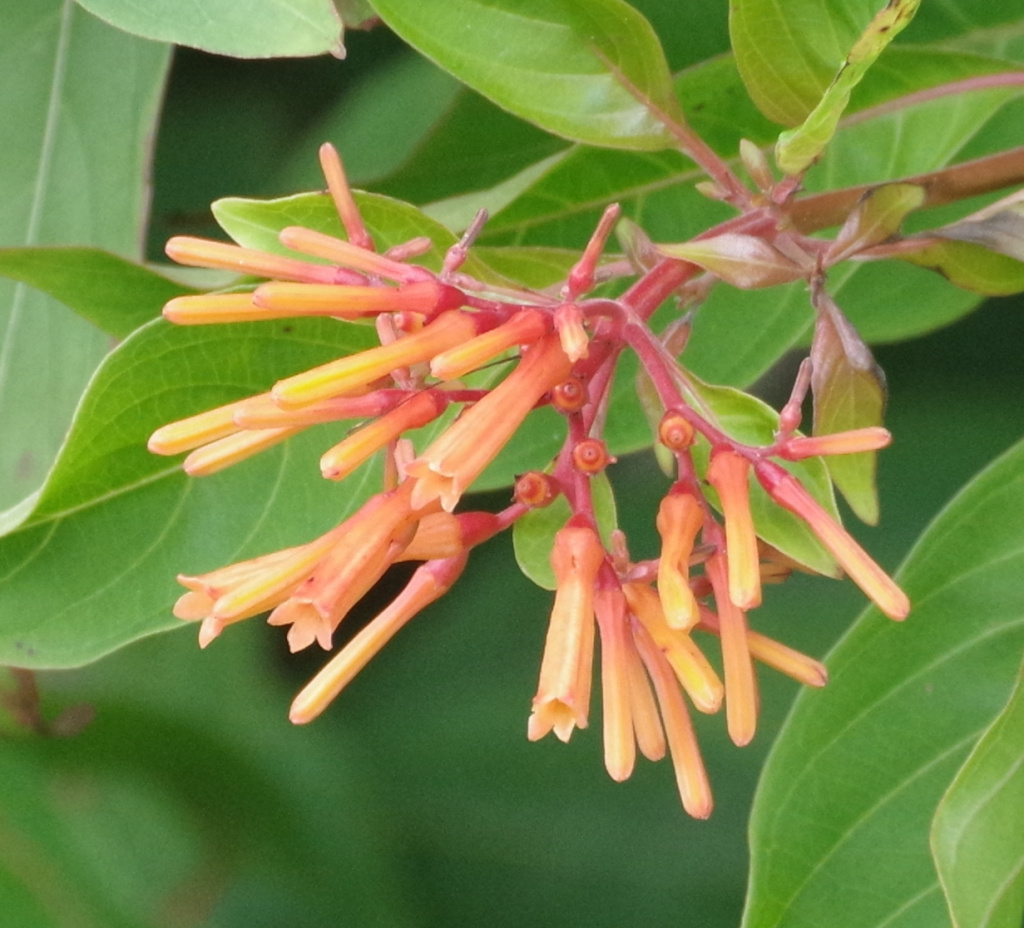
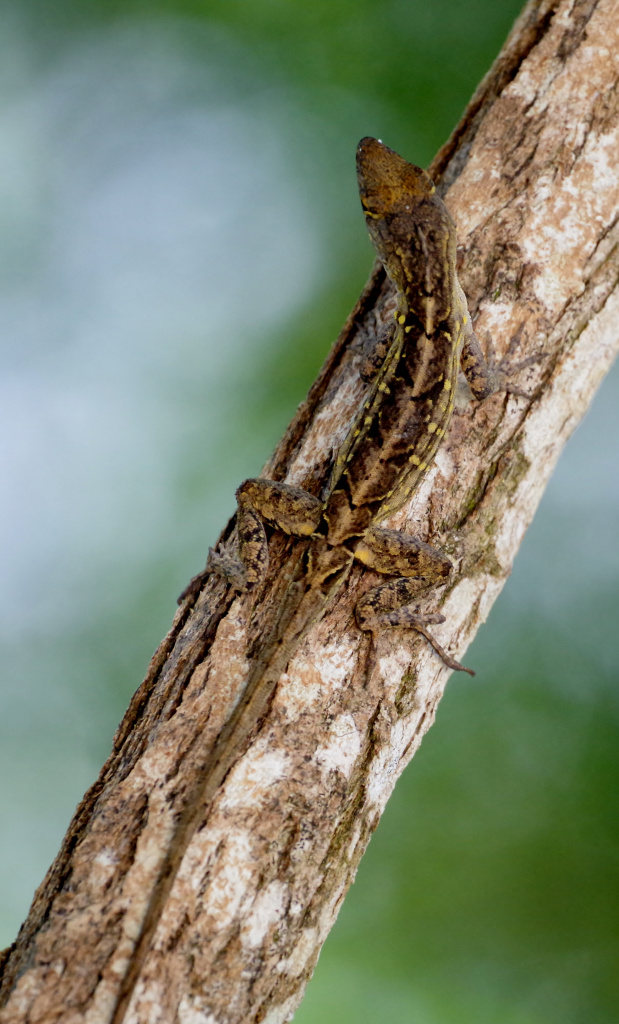
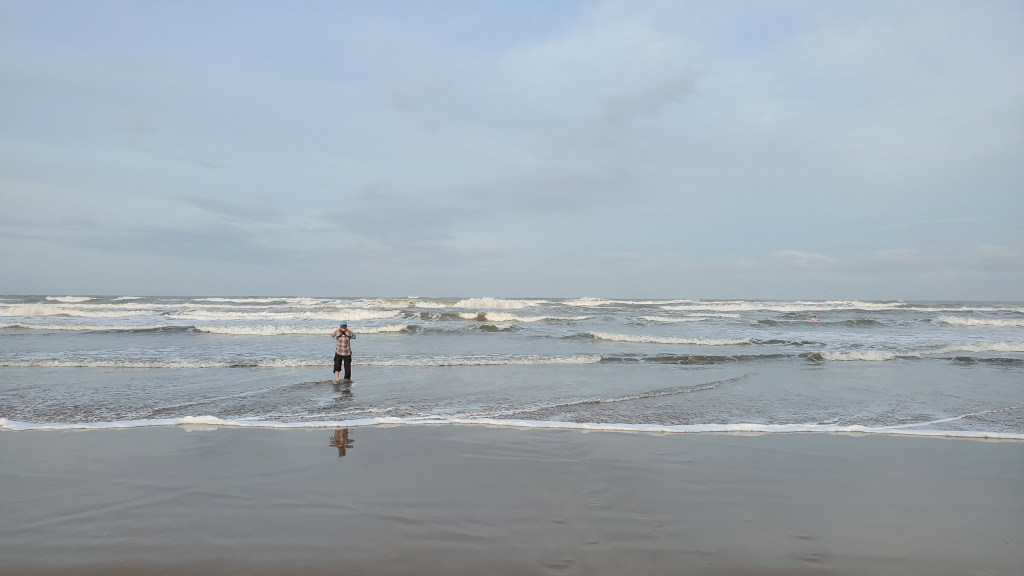


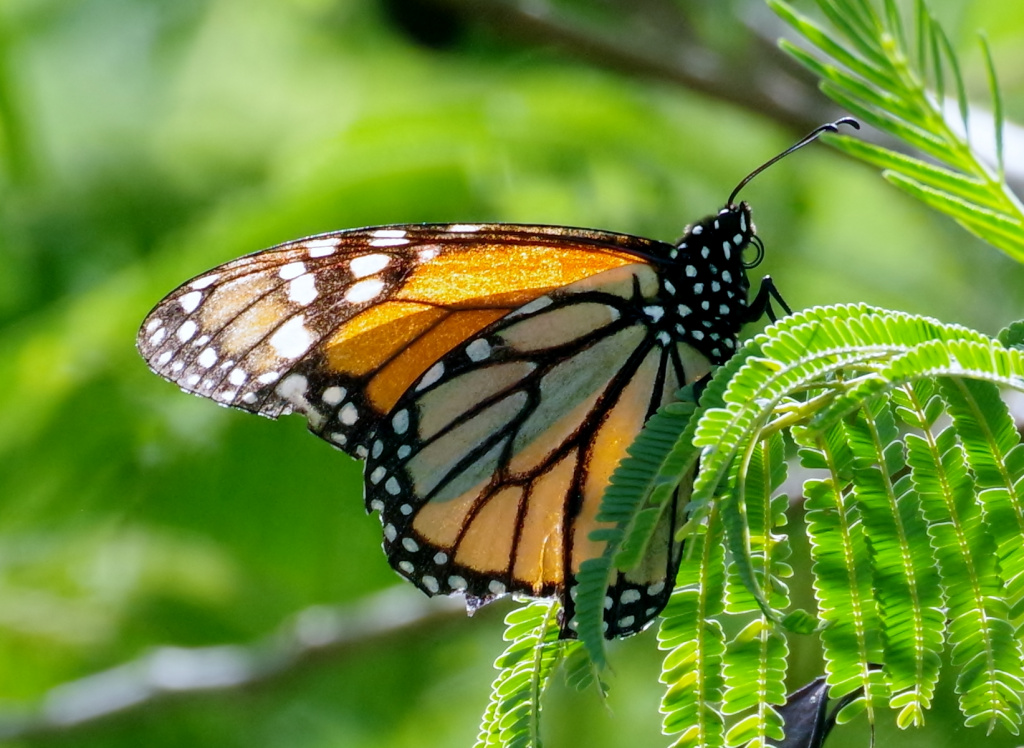
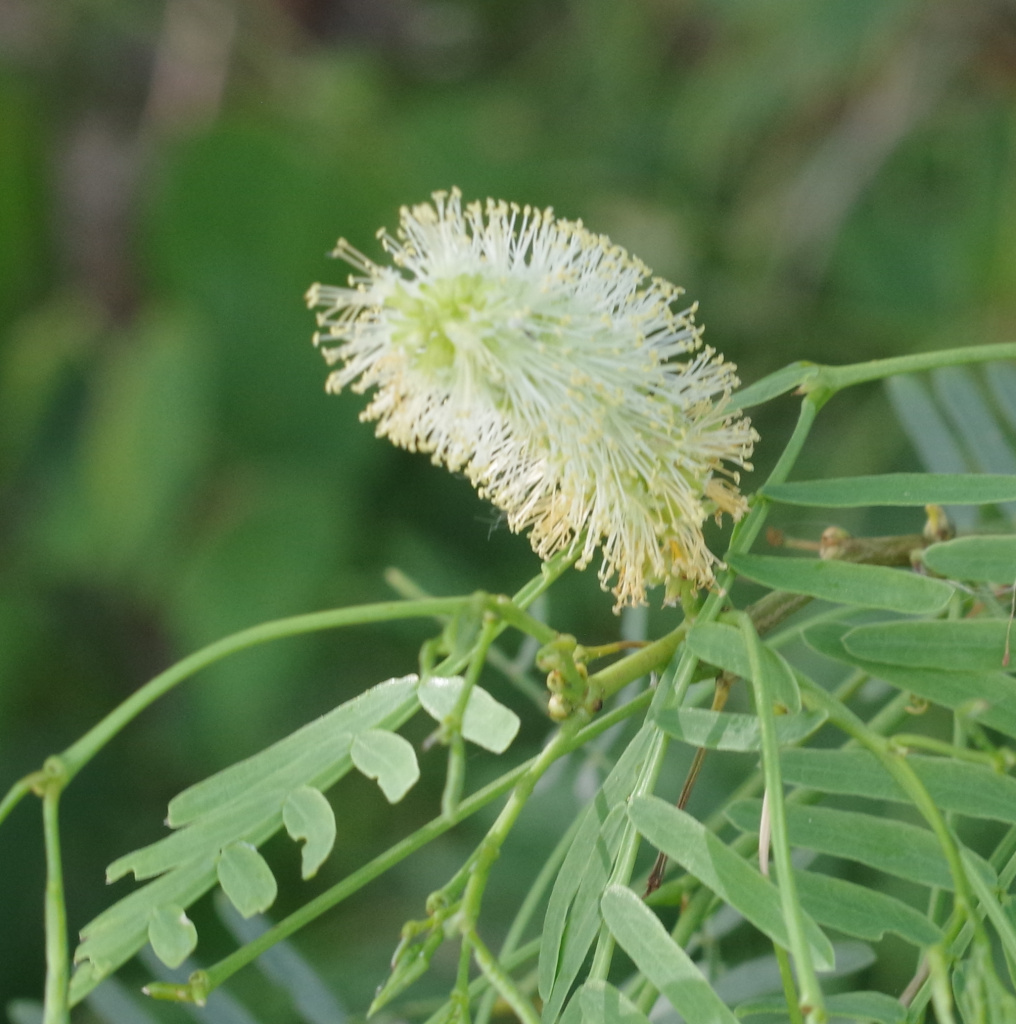
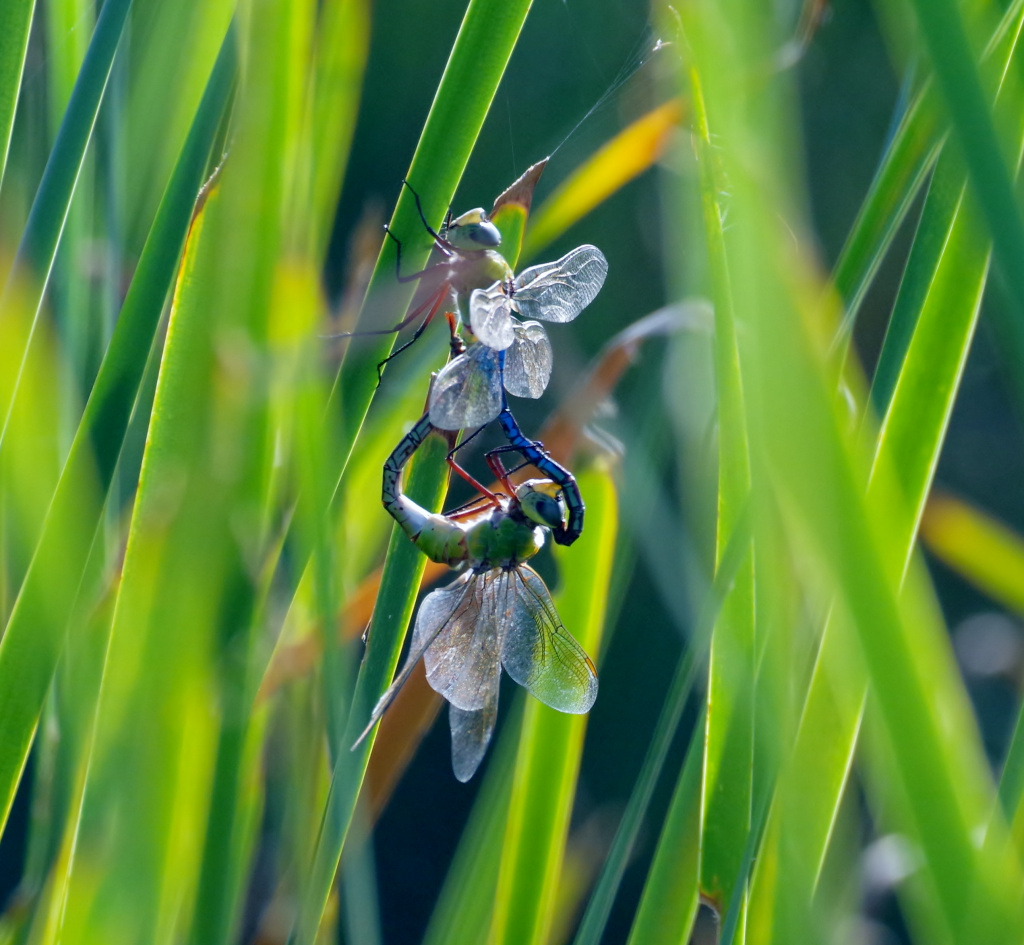
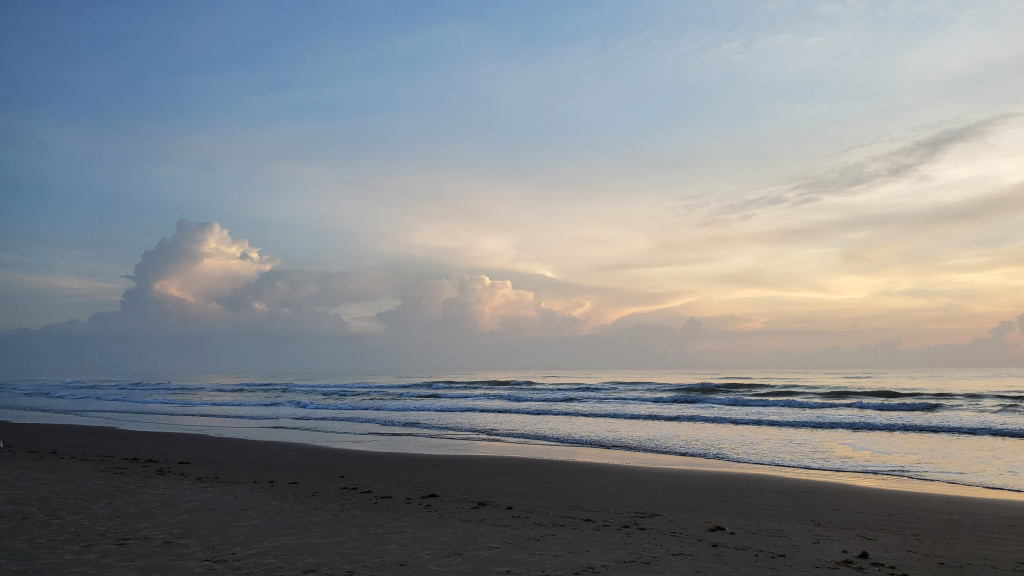
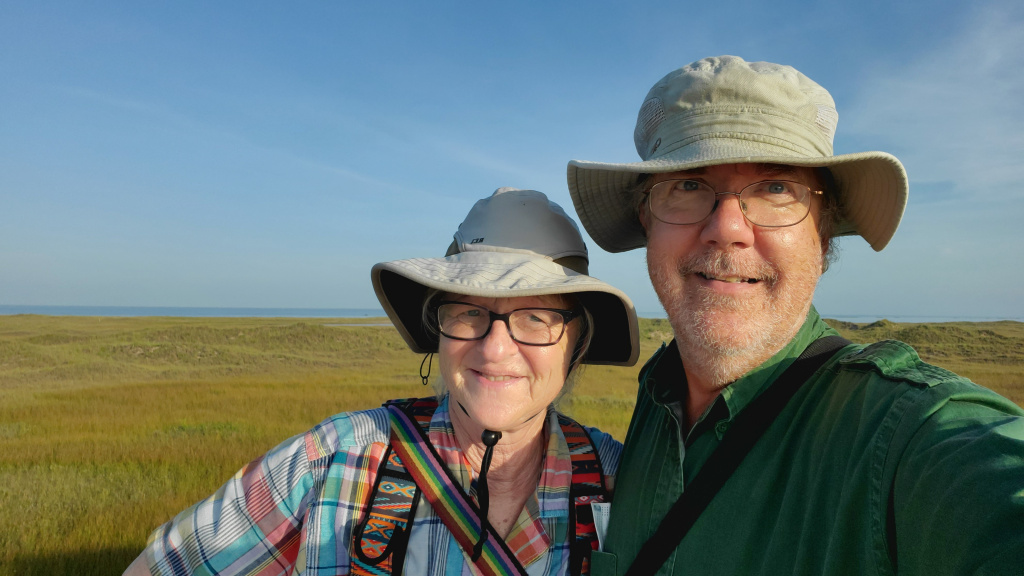
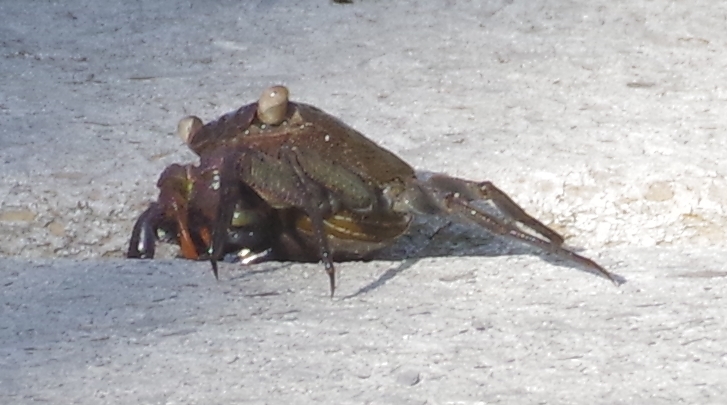
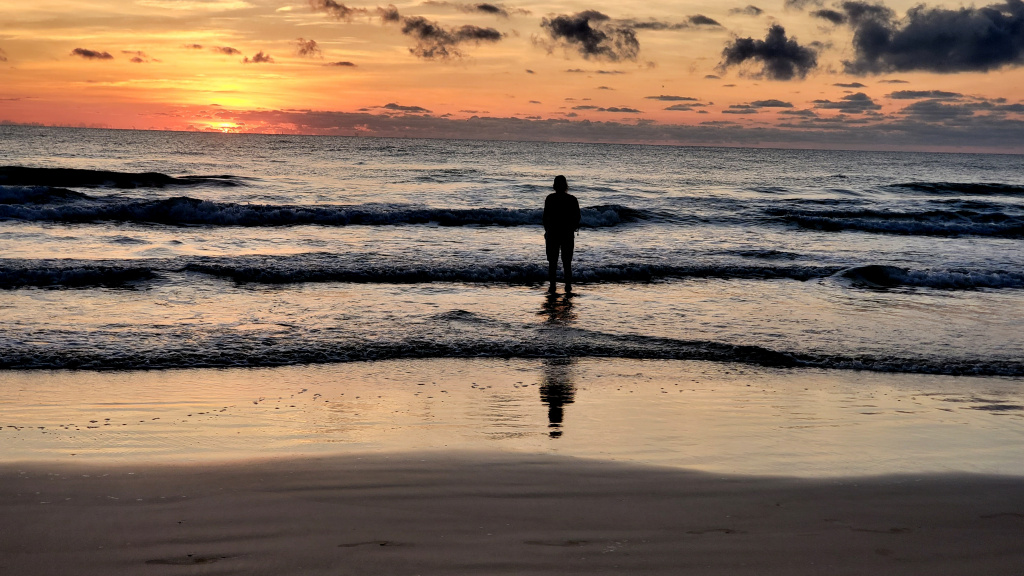
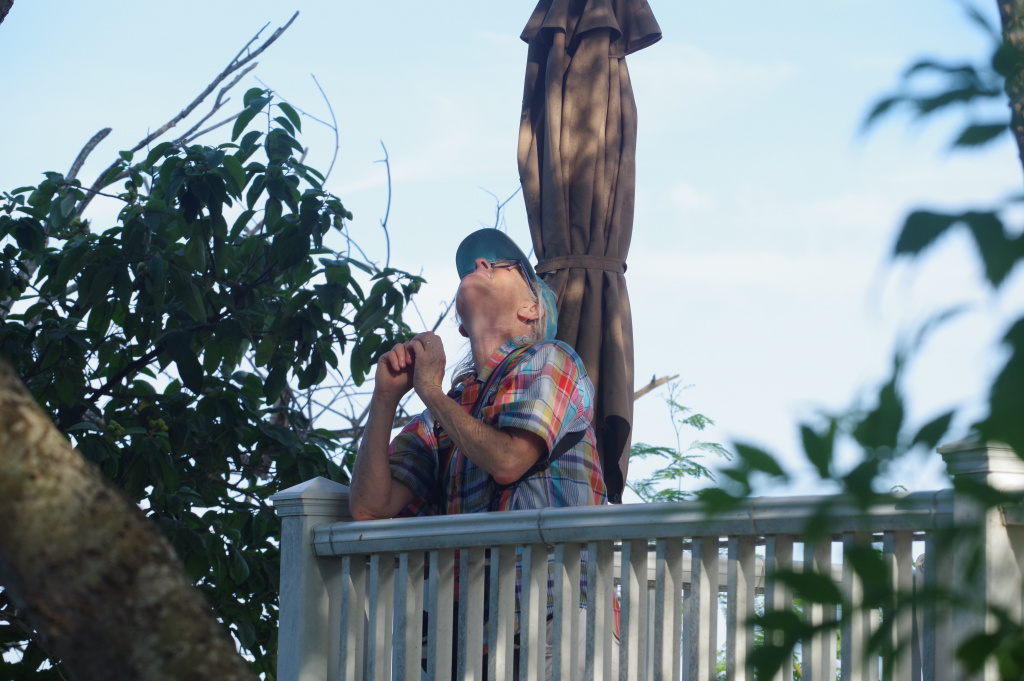
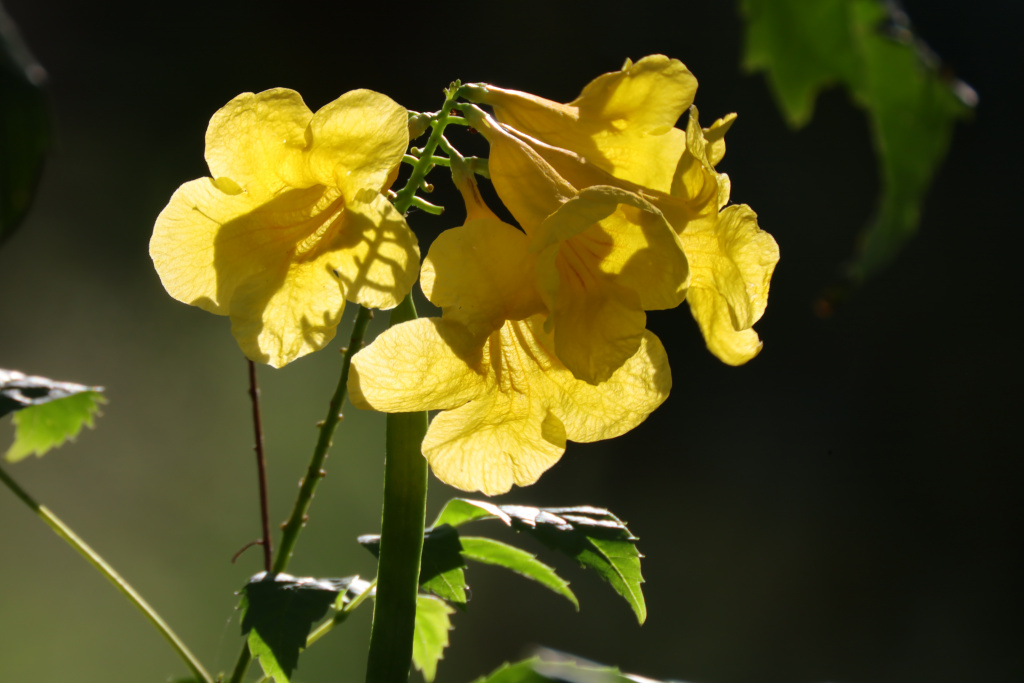
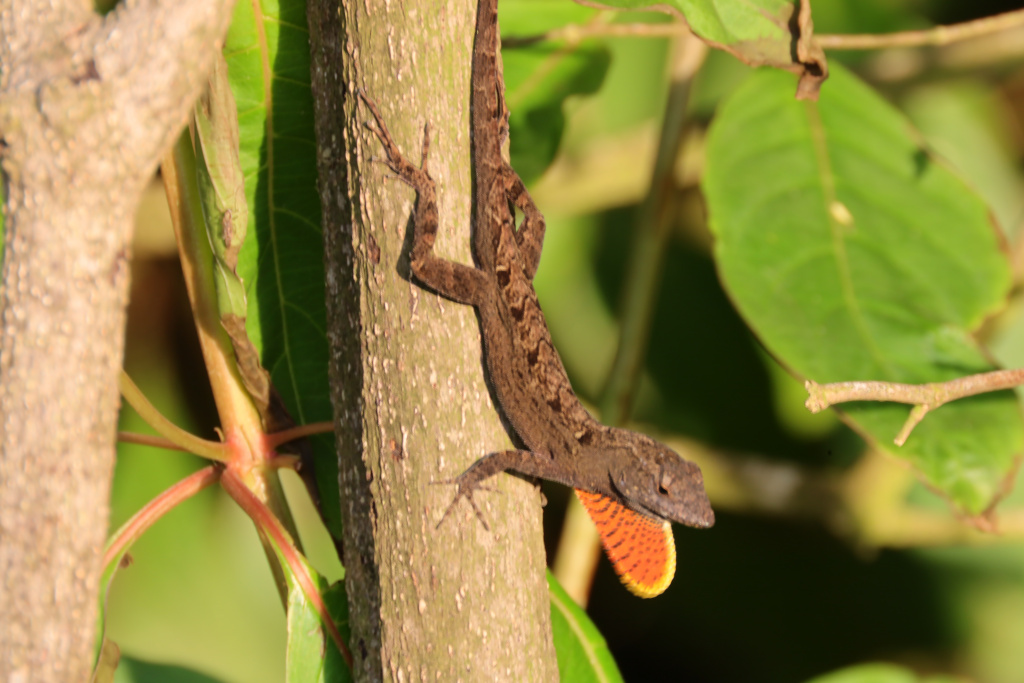
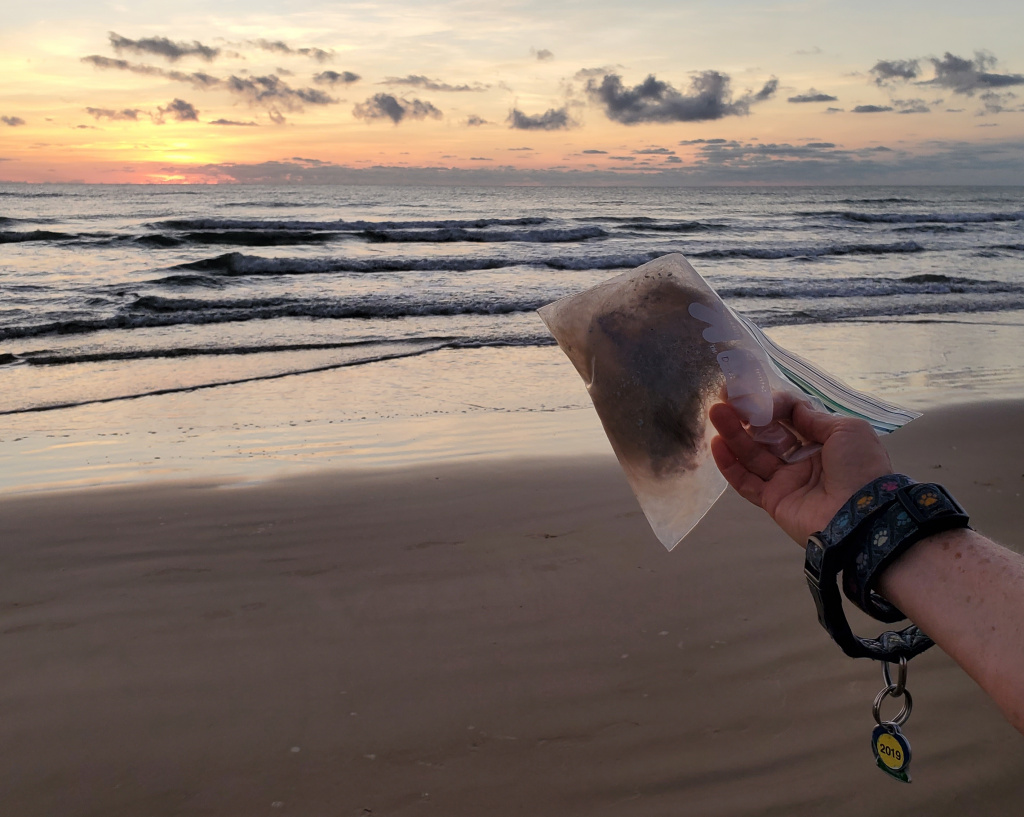
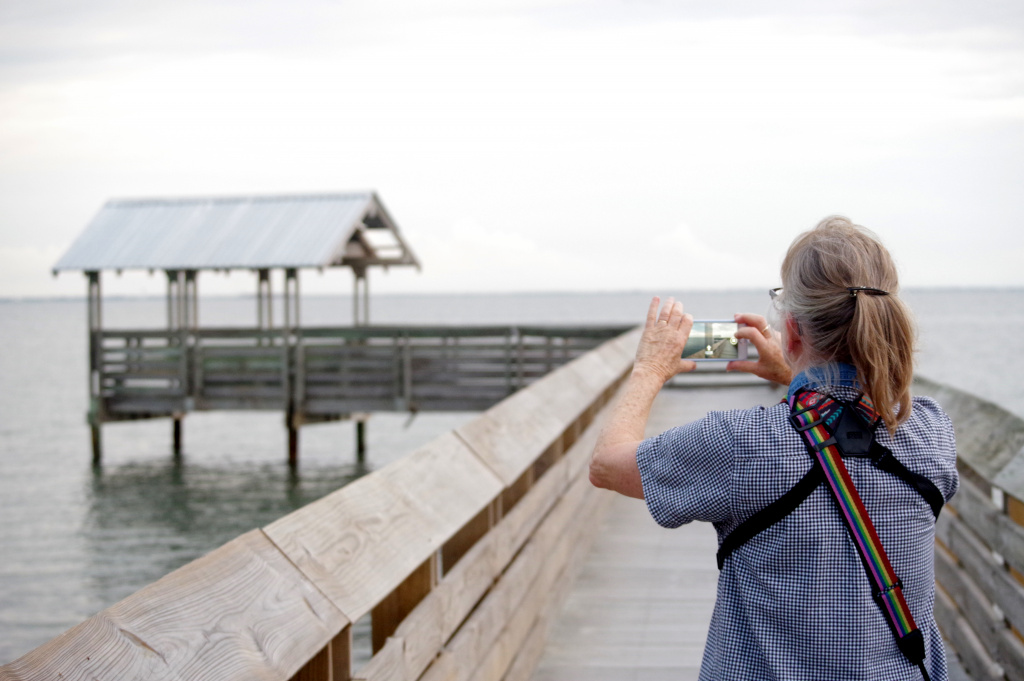
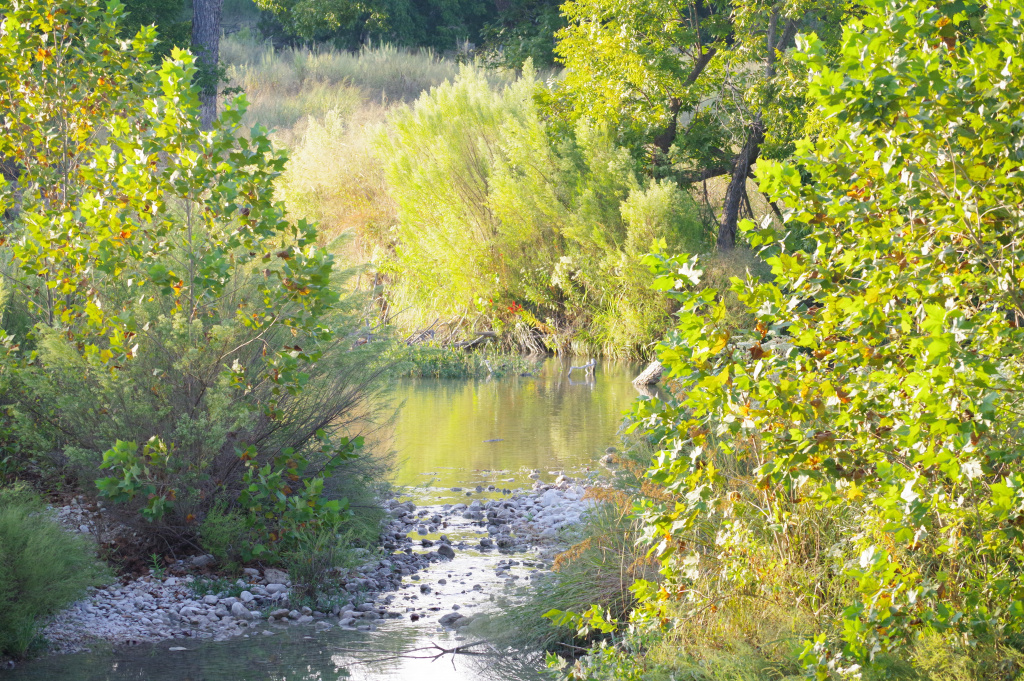
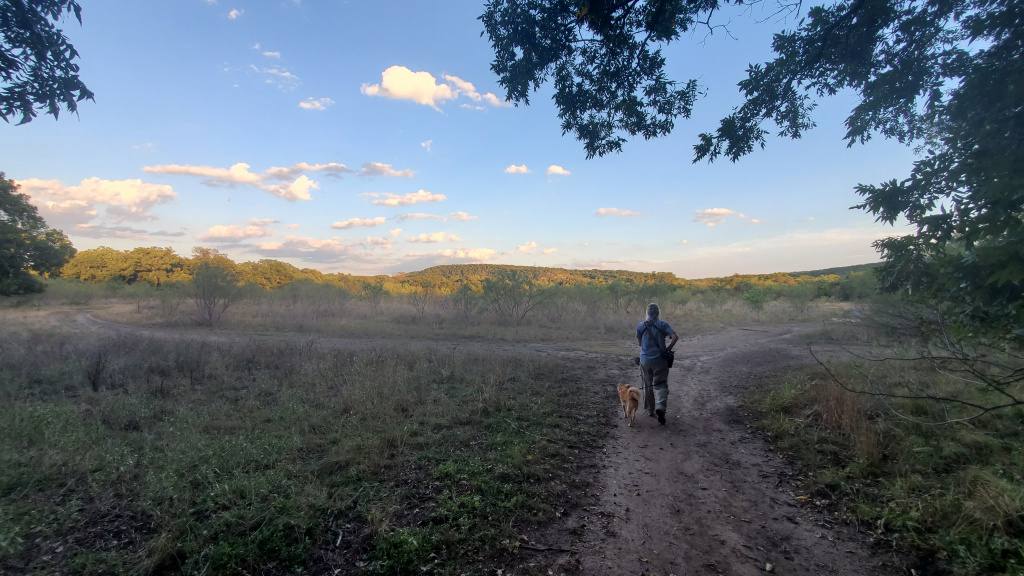
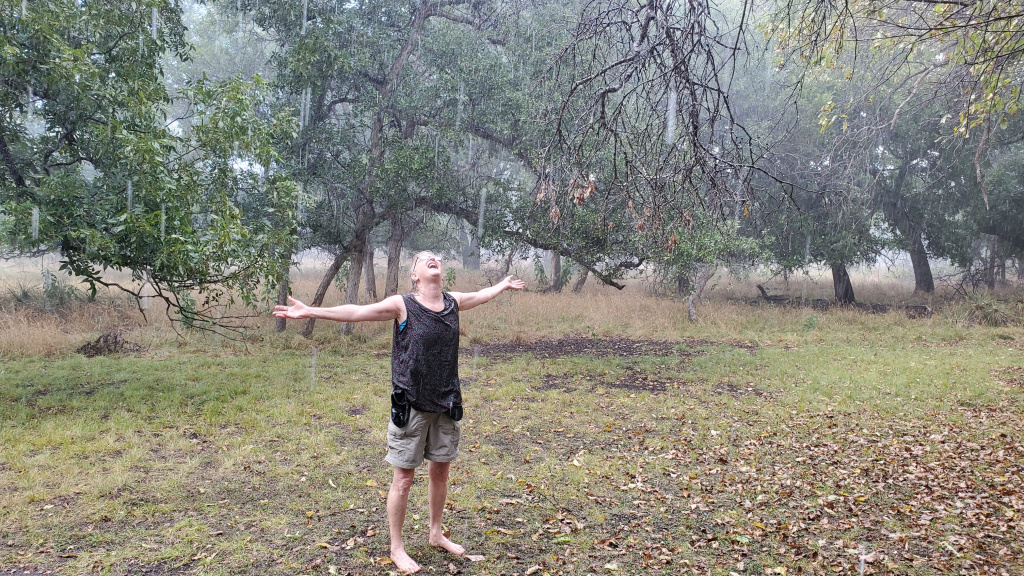
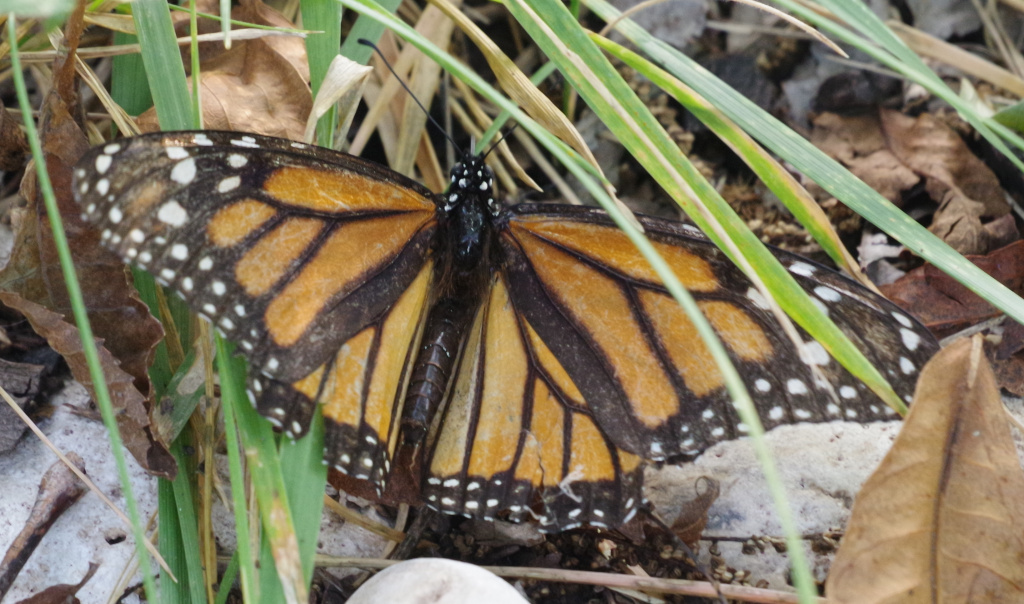
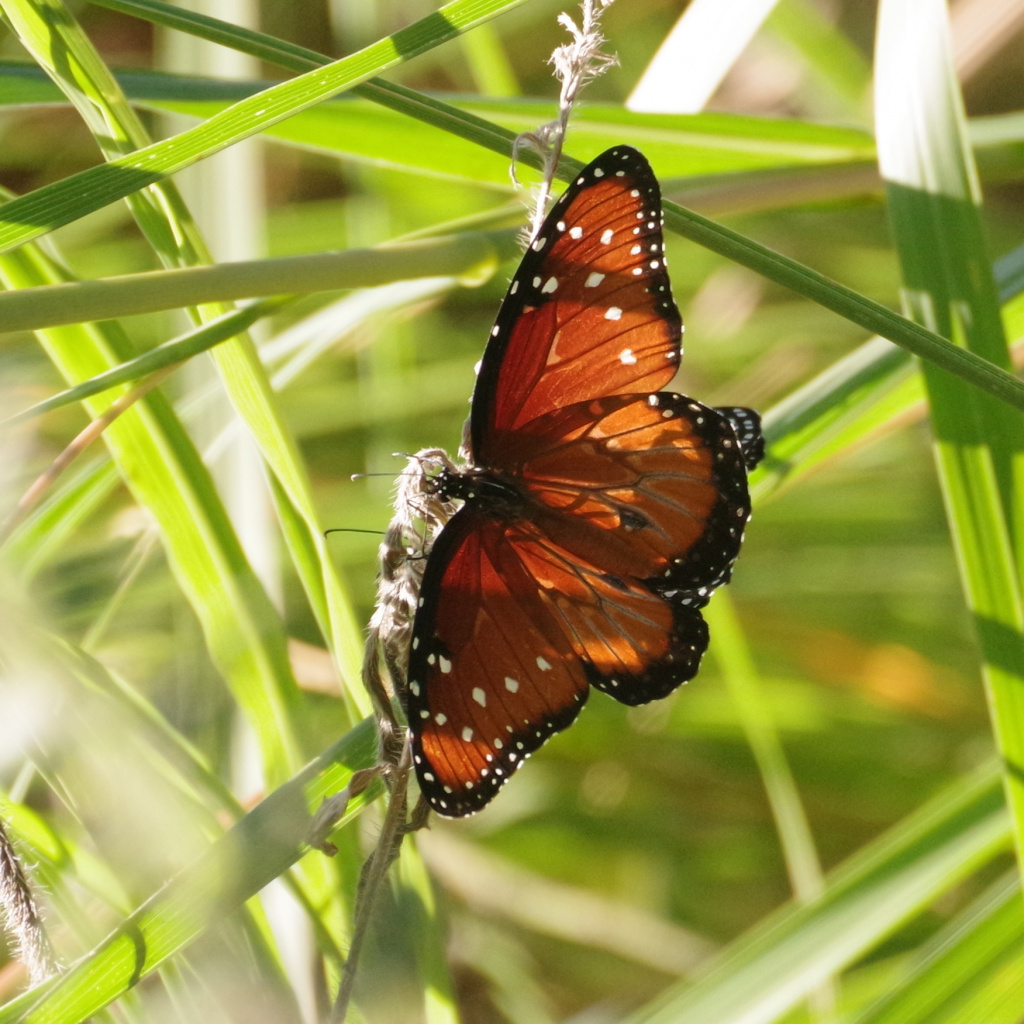
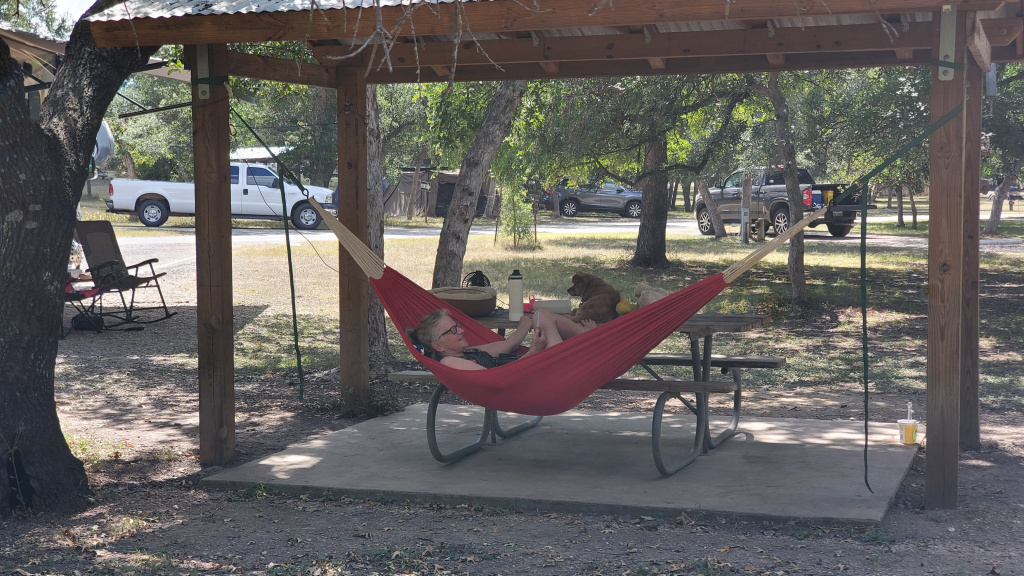
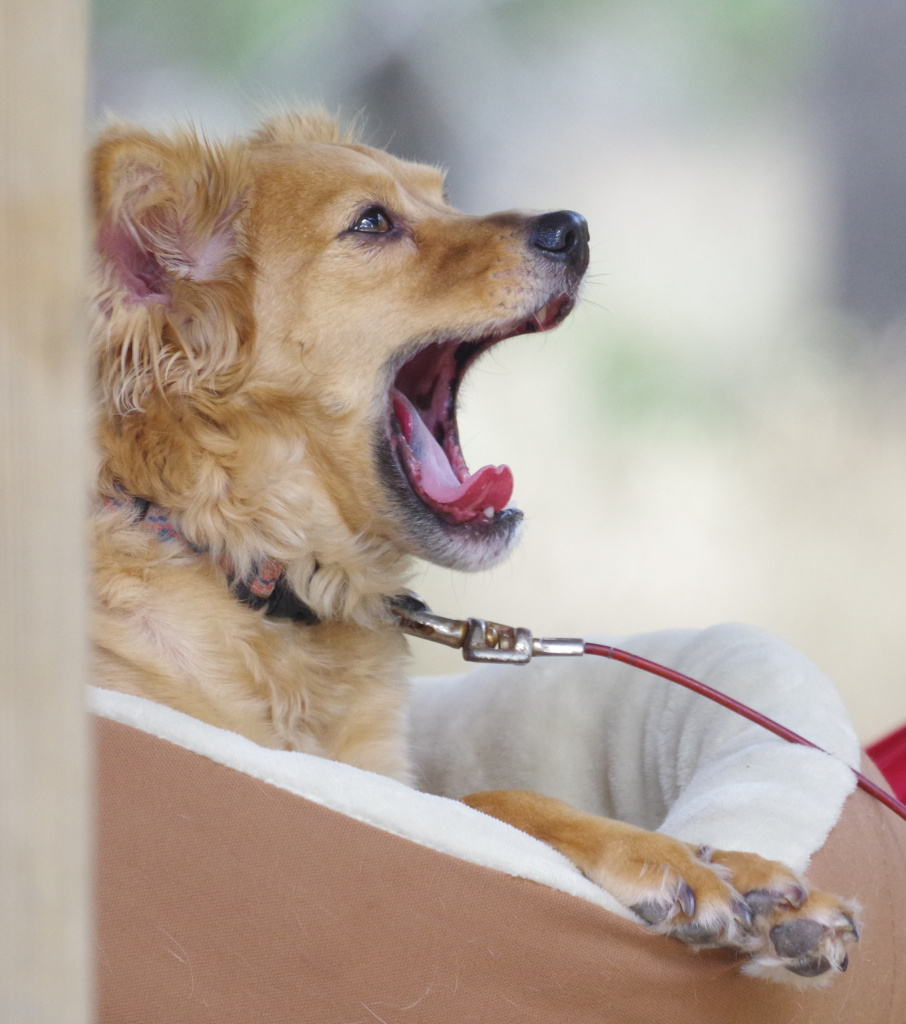
Birds of Texas Fall Migration
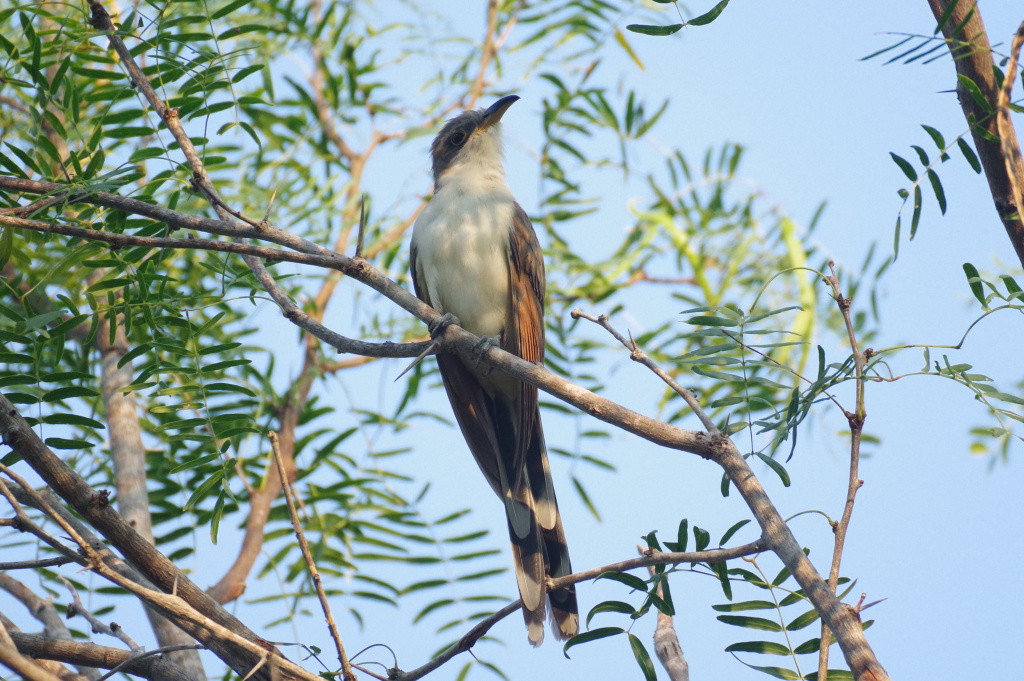

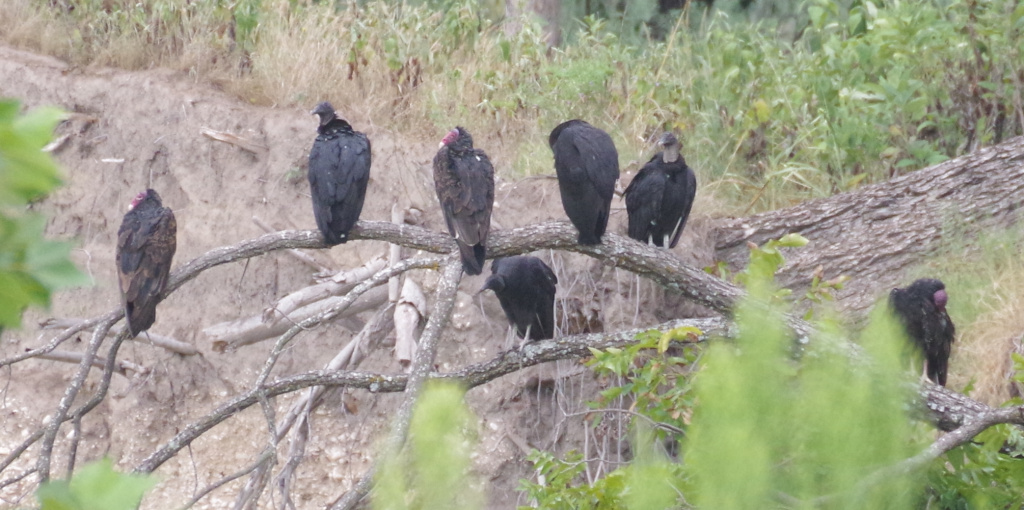
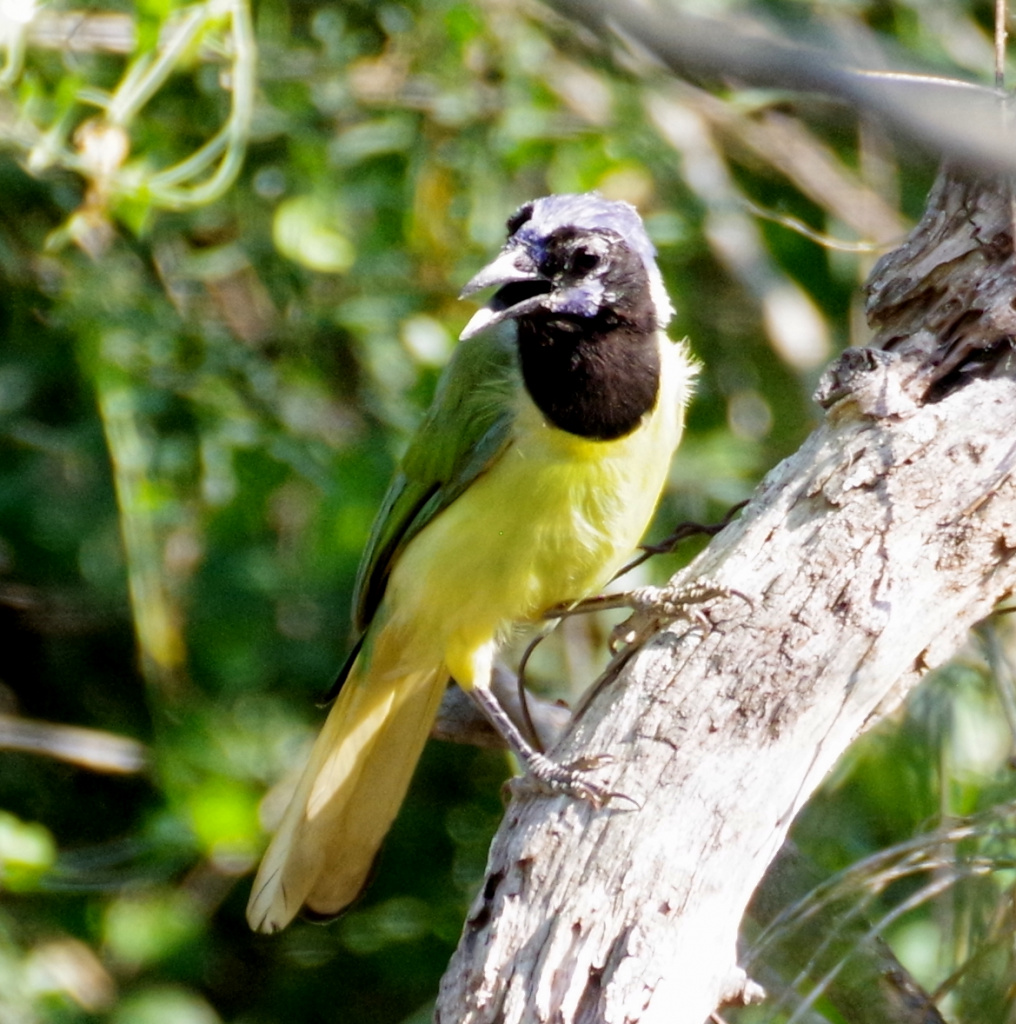
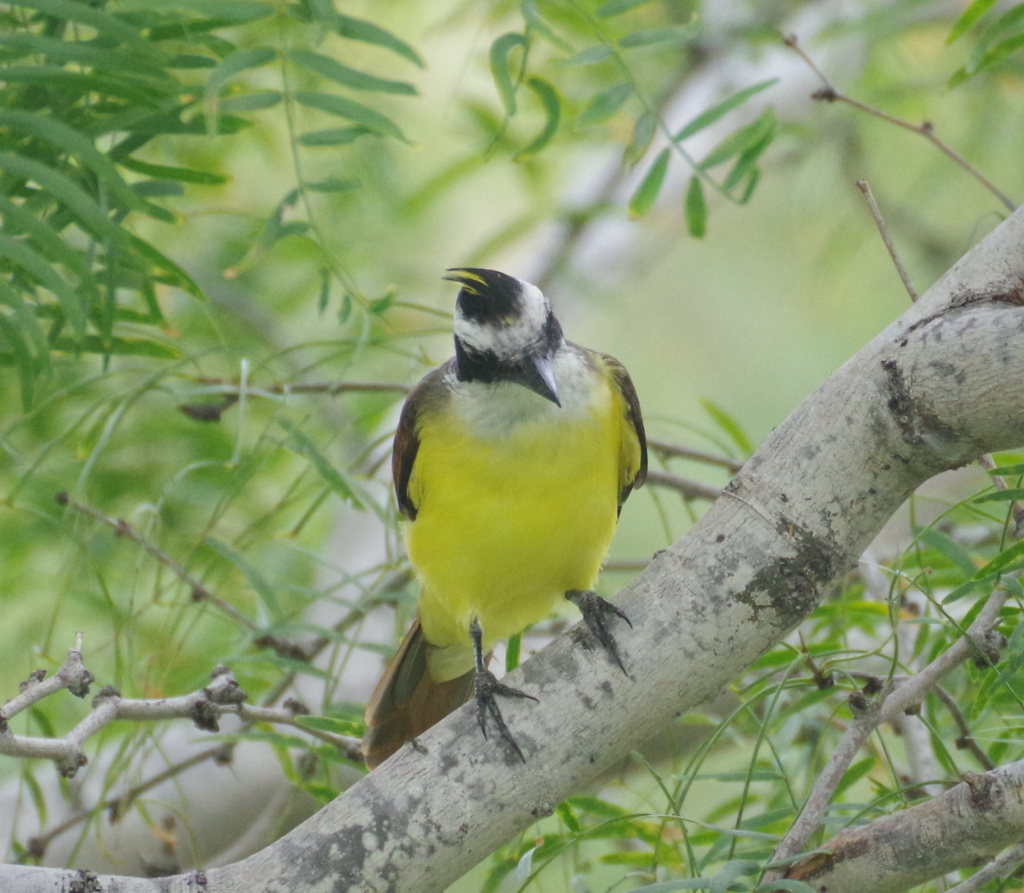
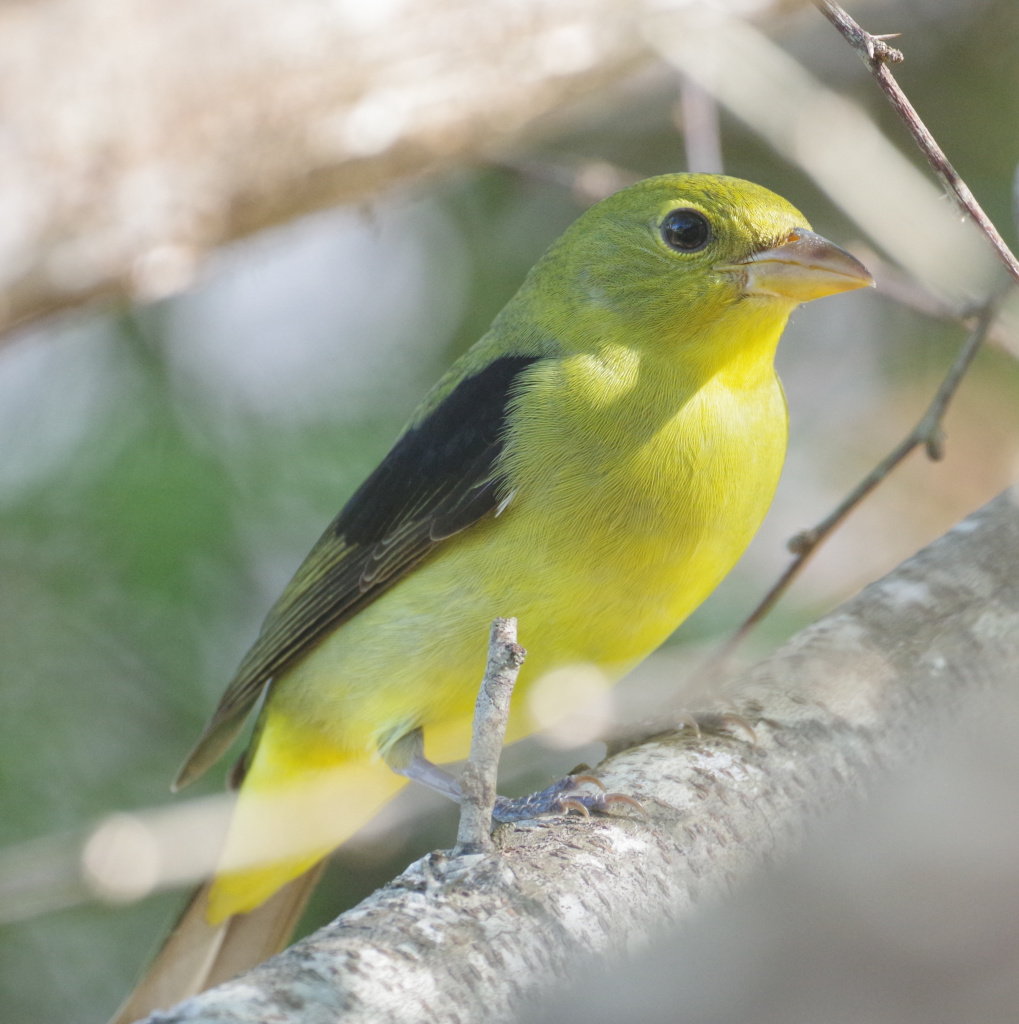
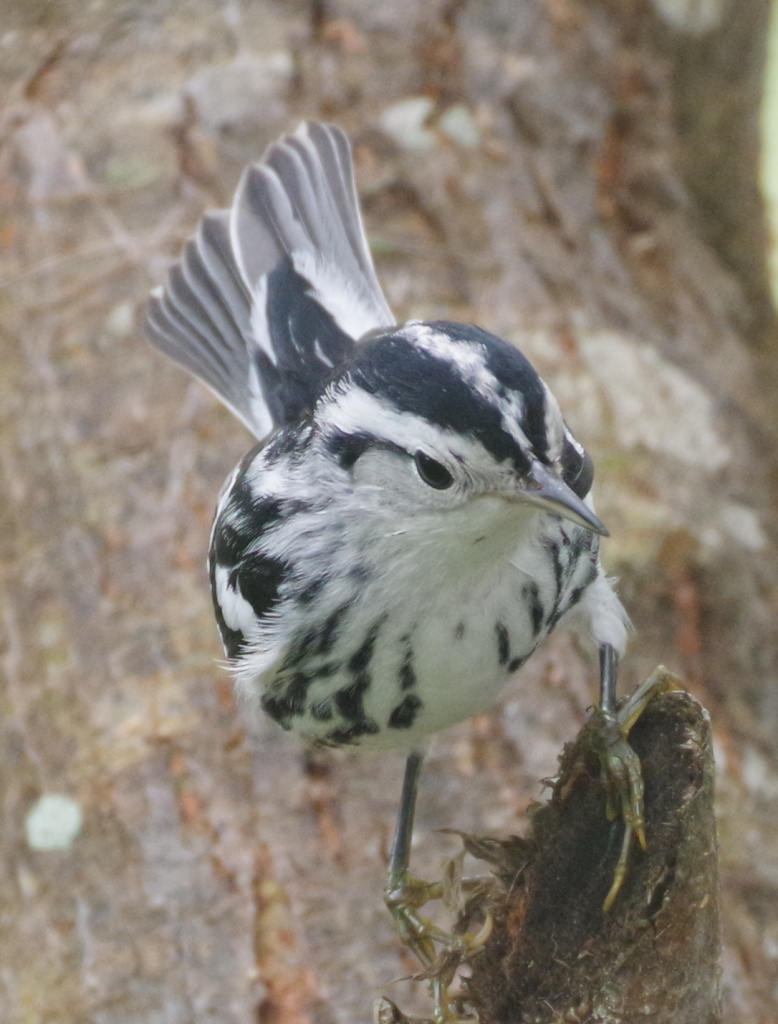
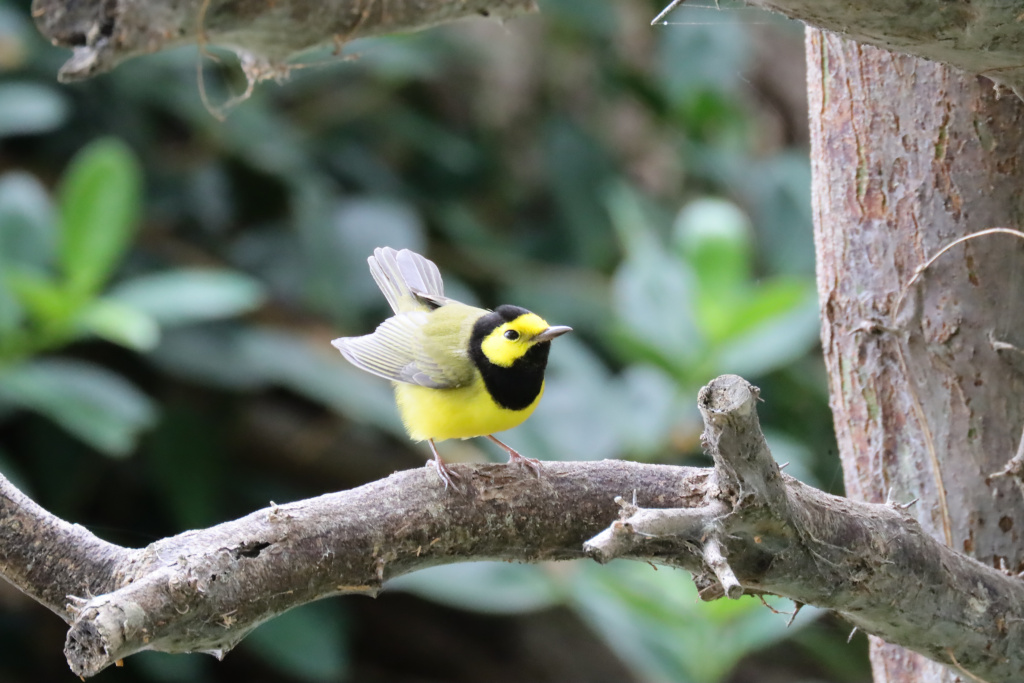
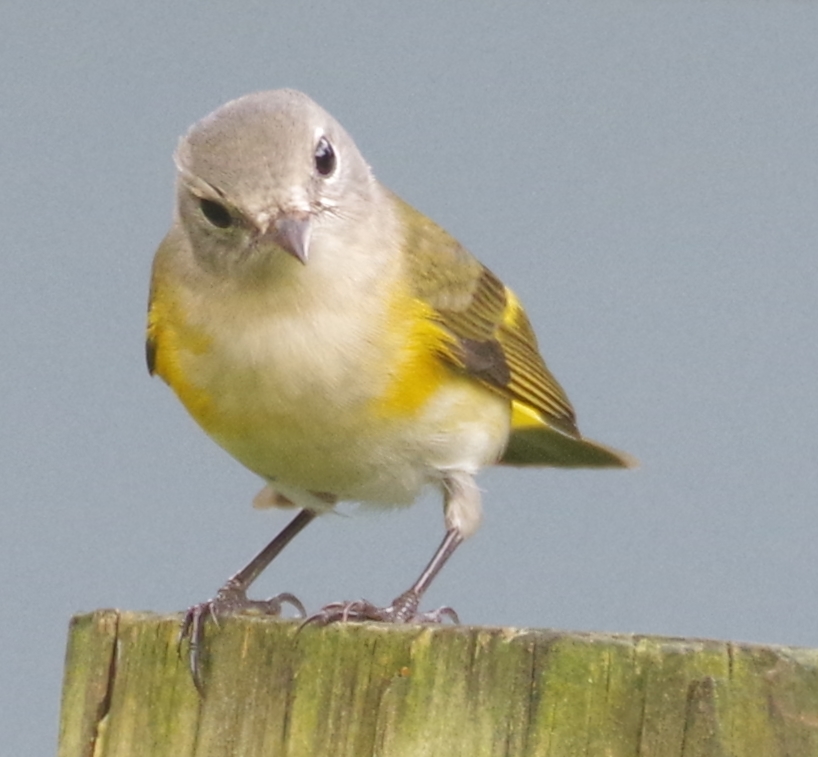
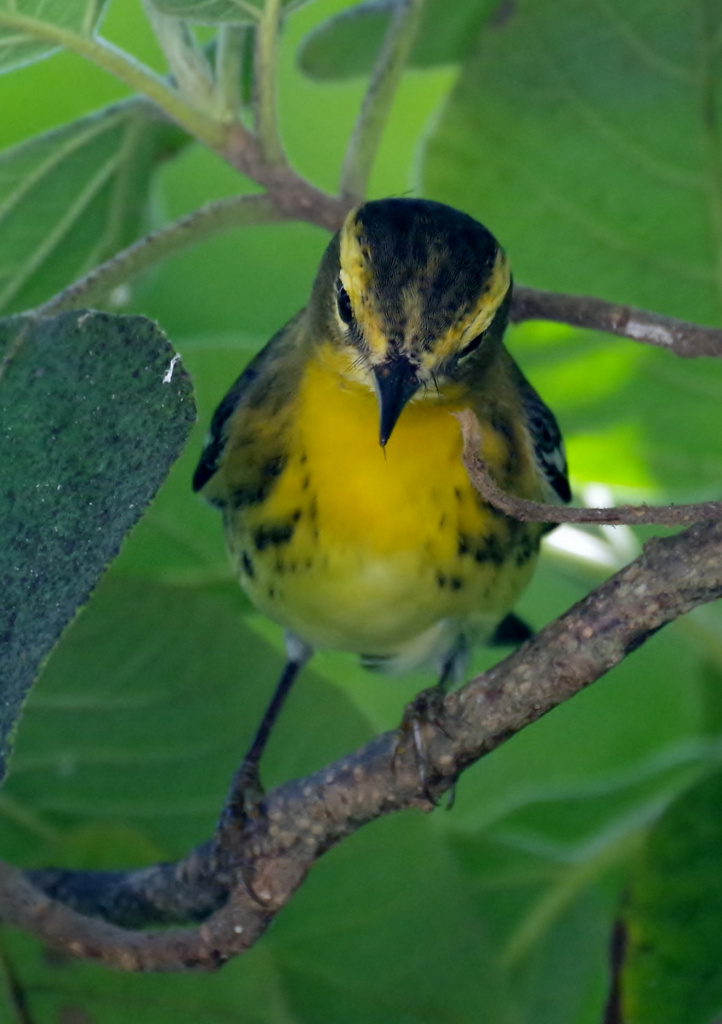
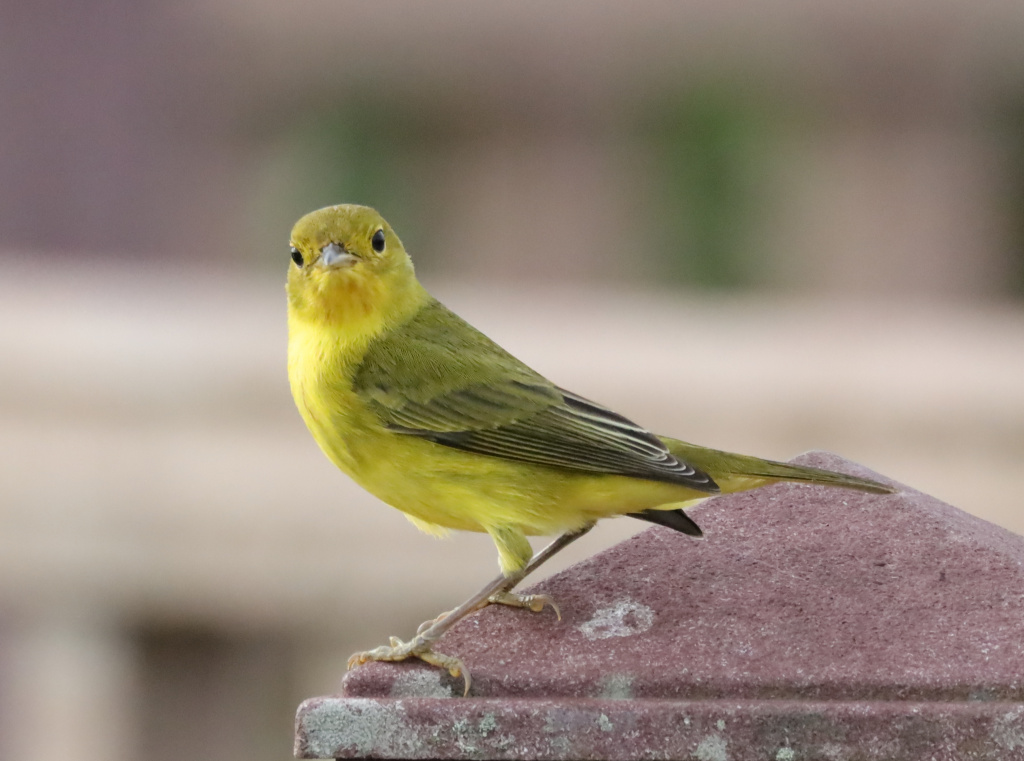
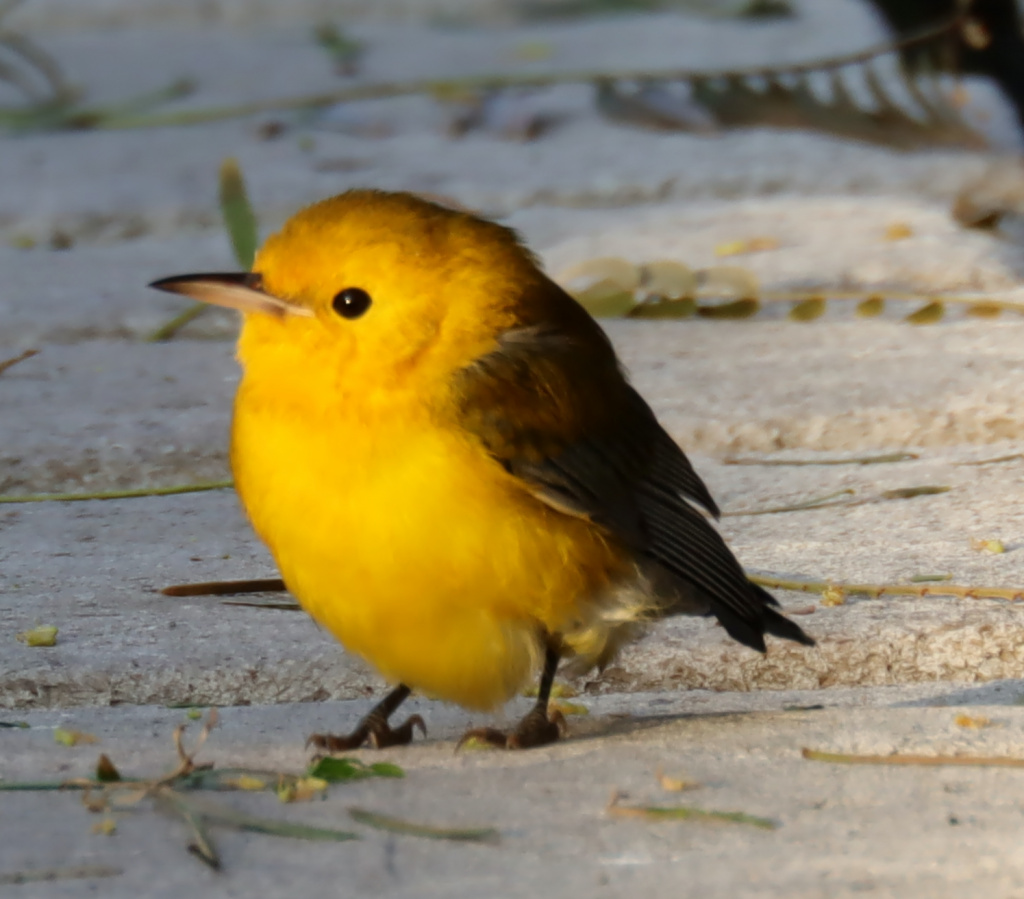
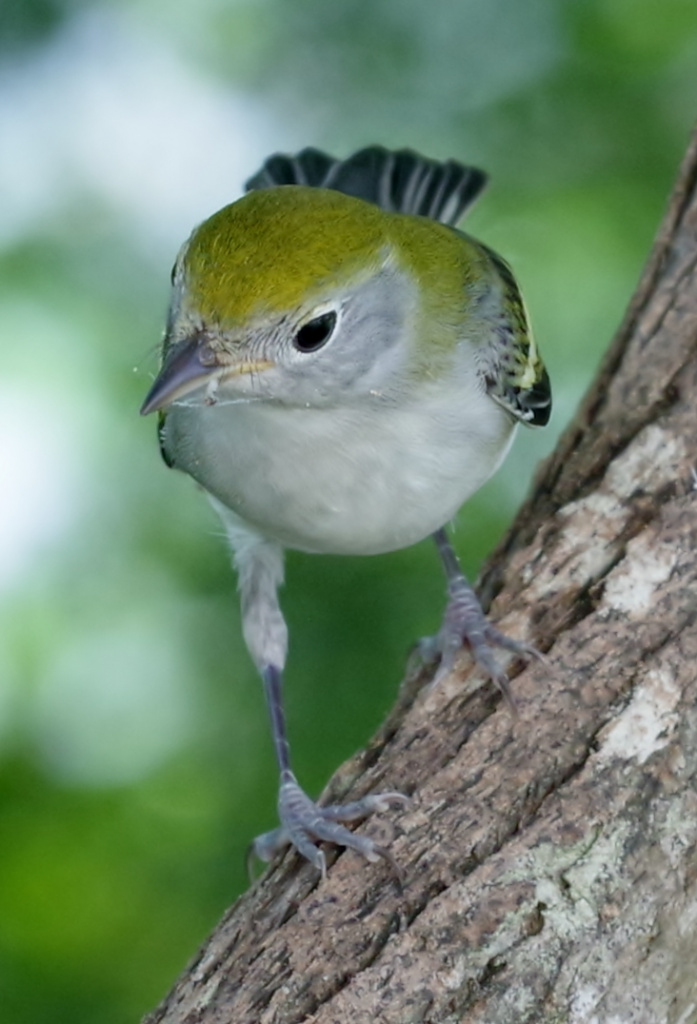
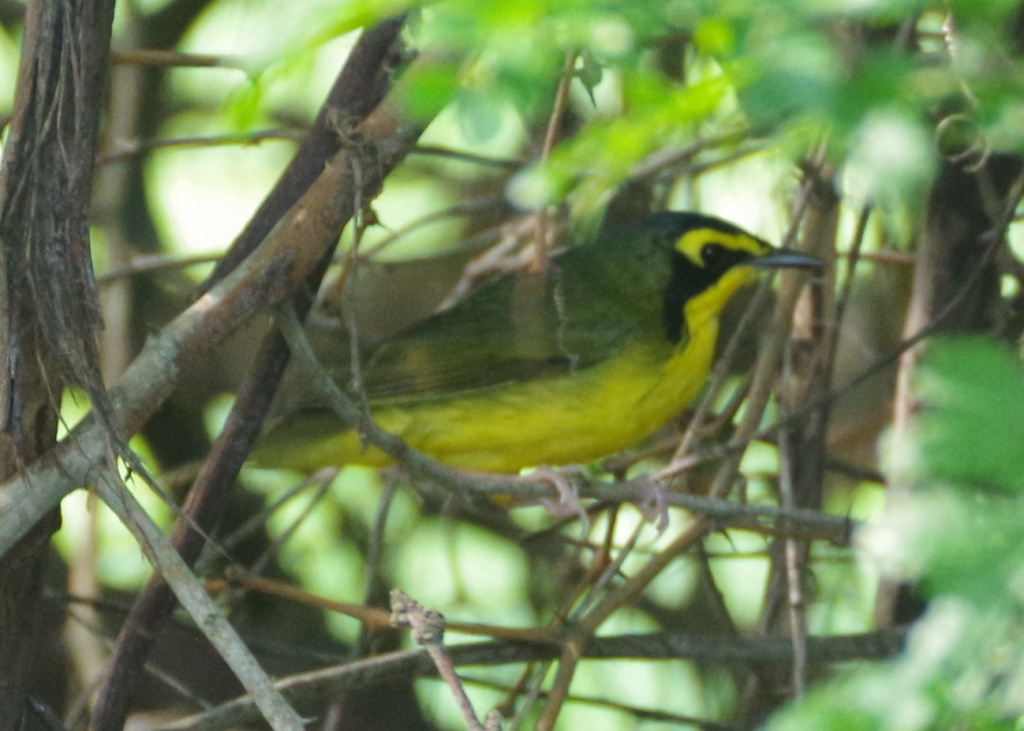

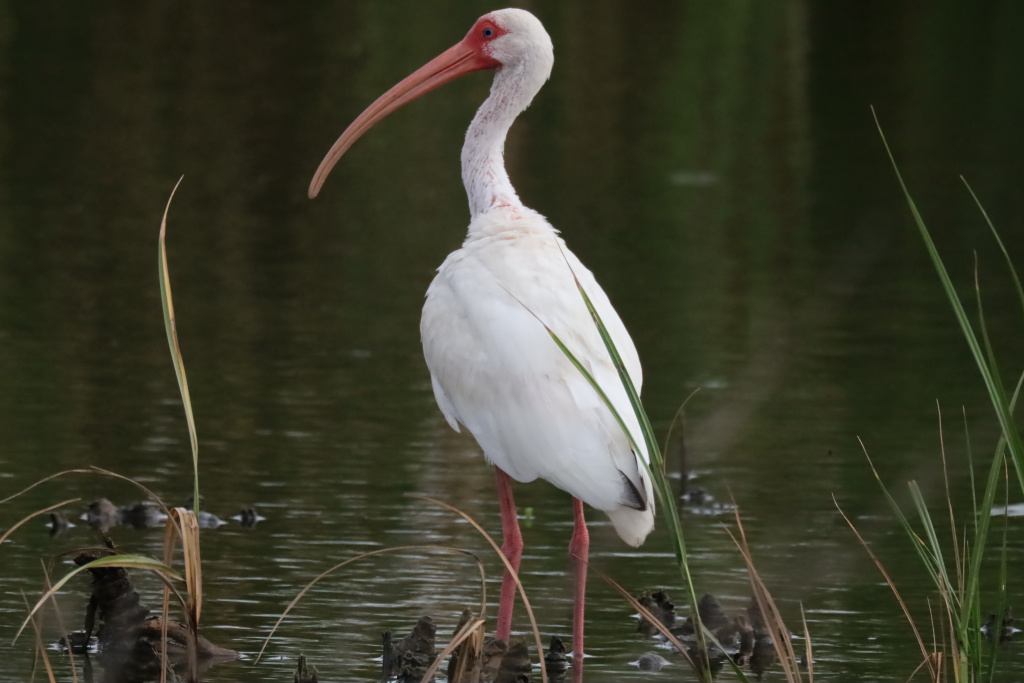
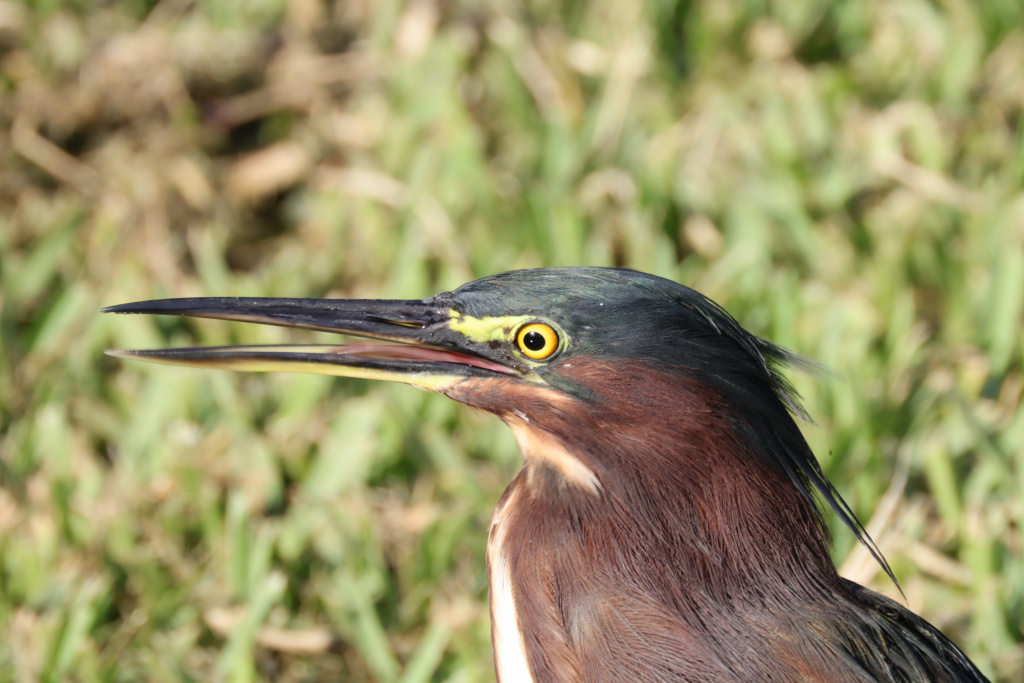
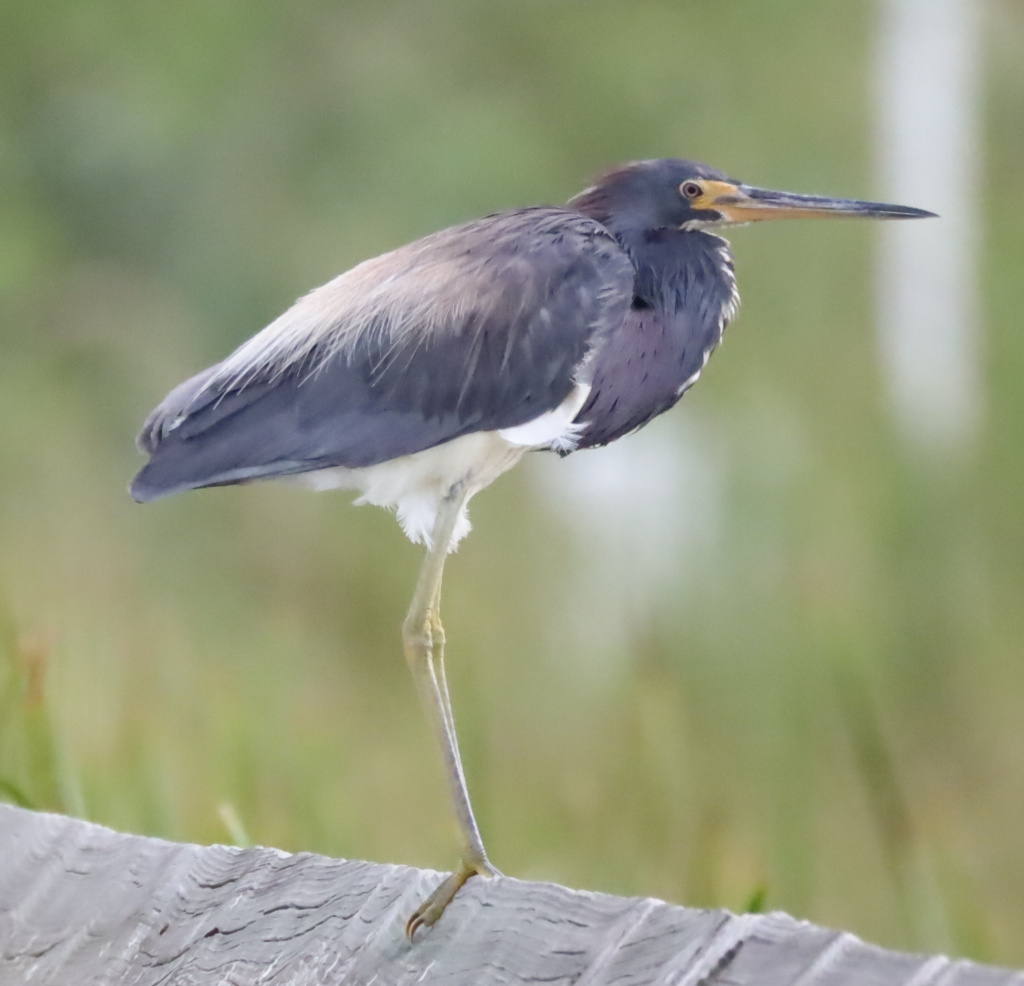

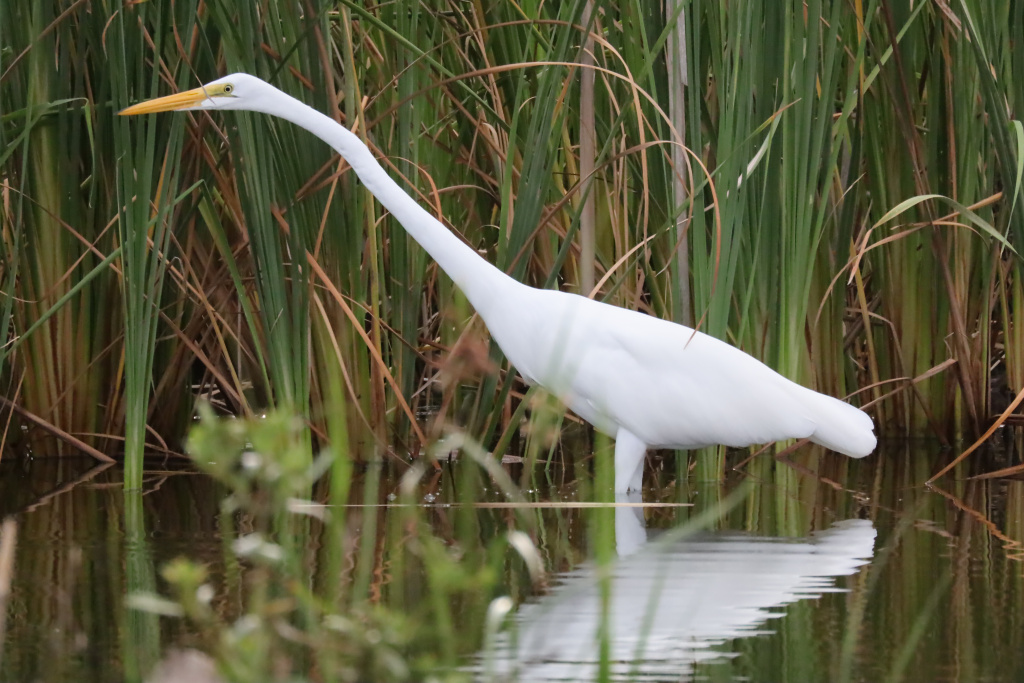
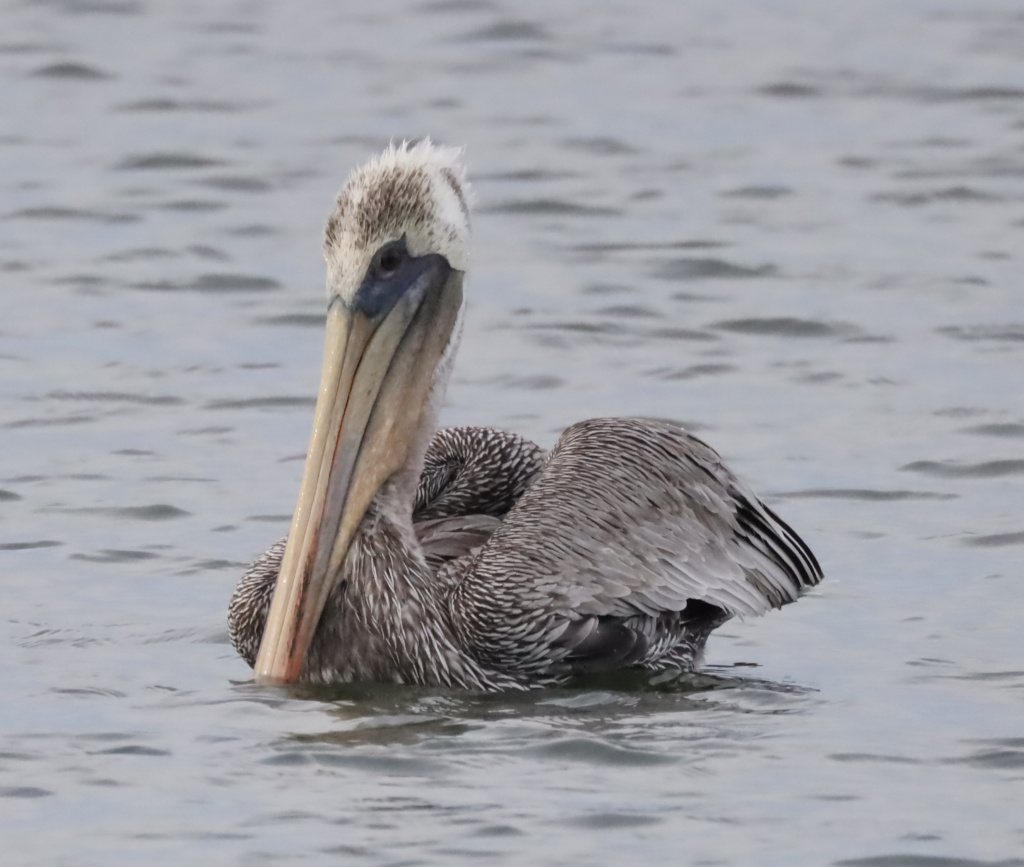
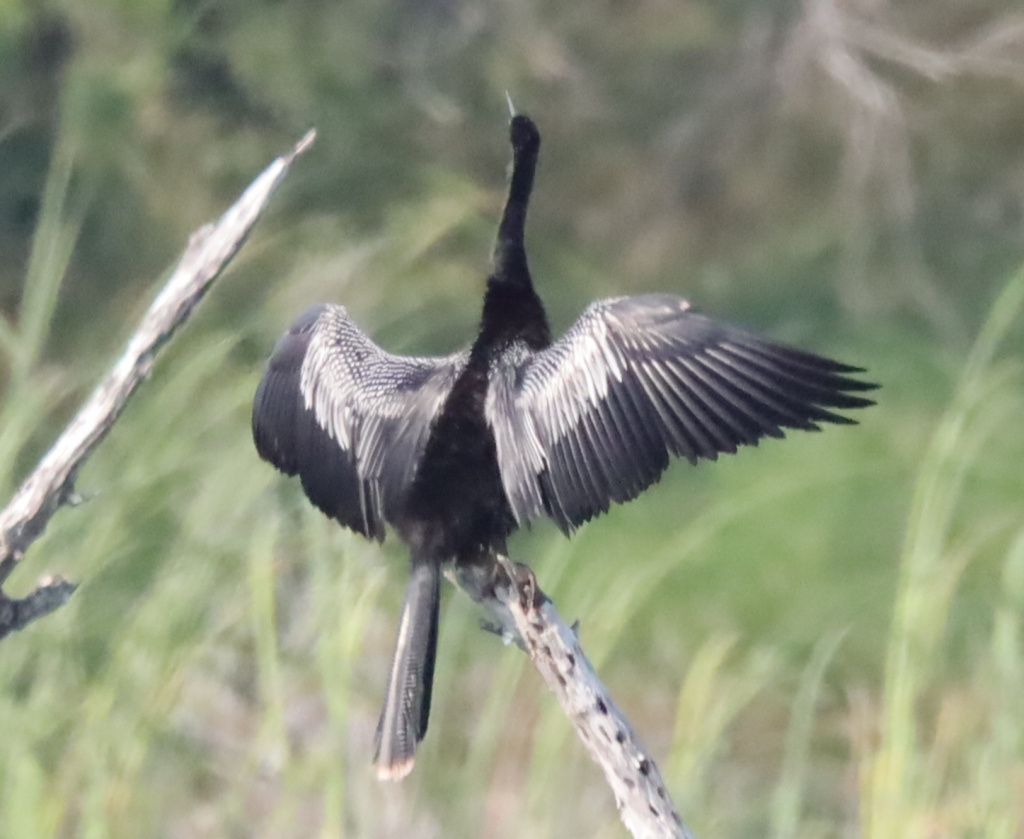
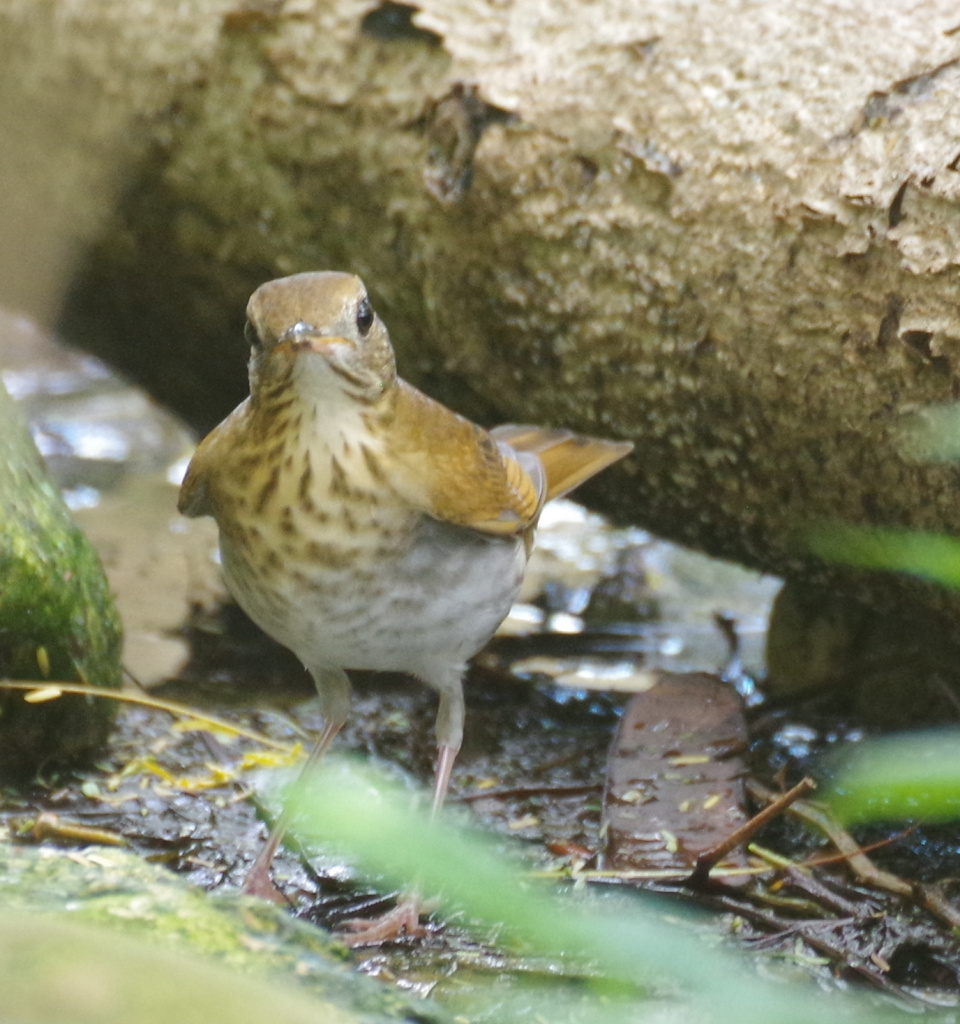
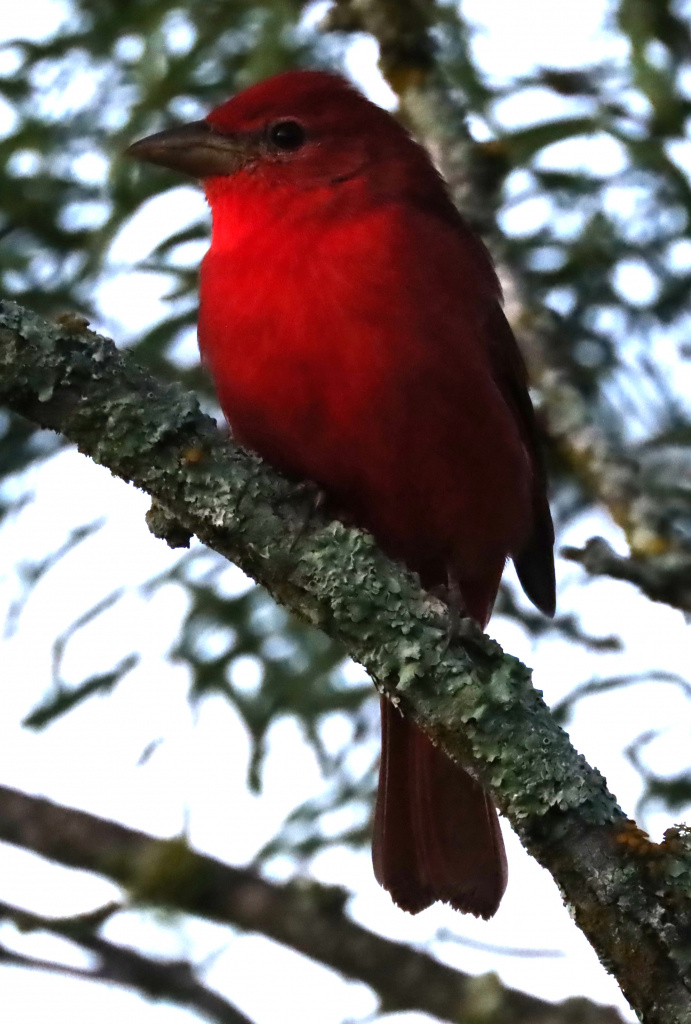
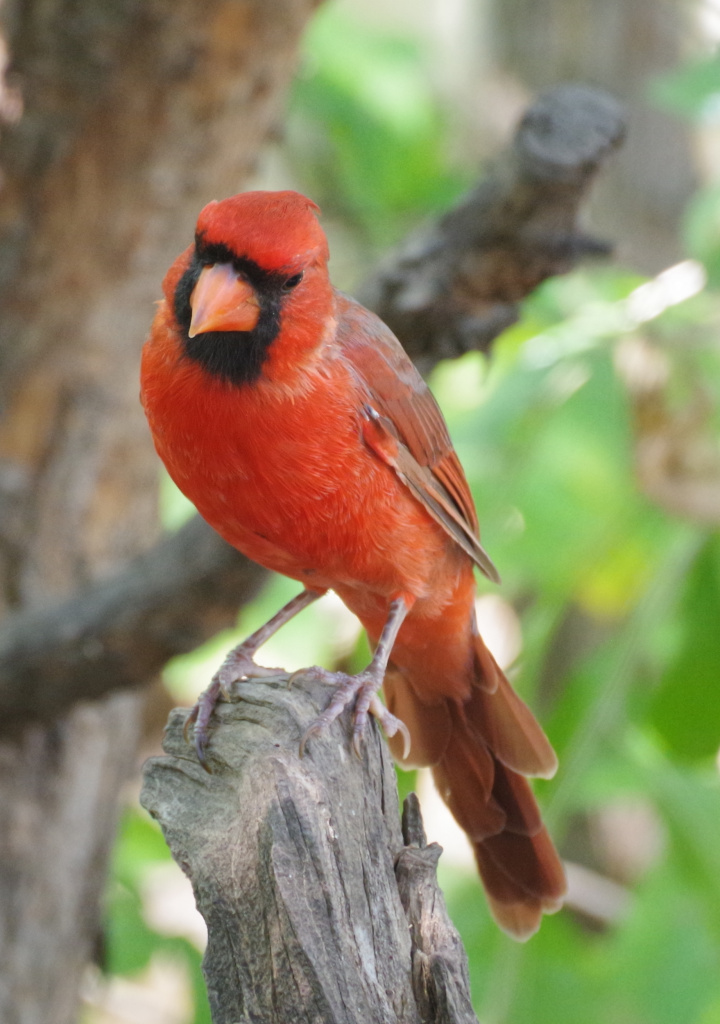
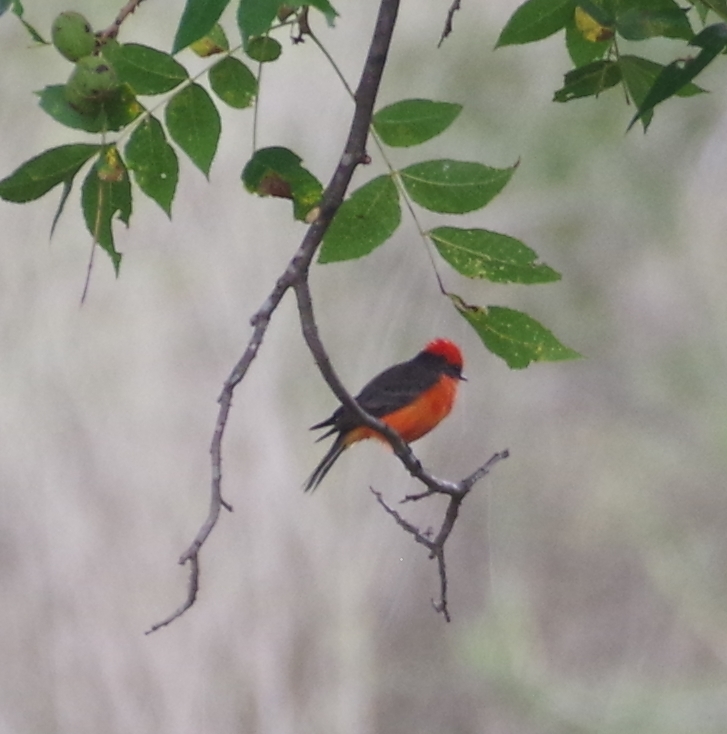
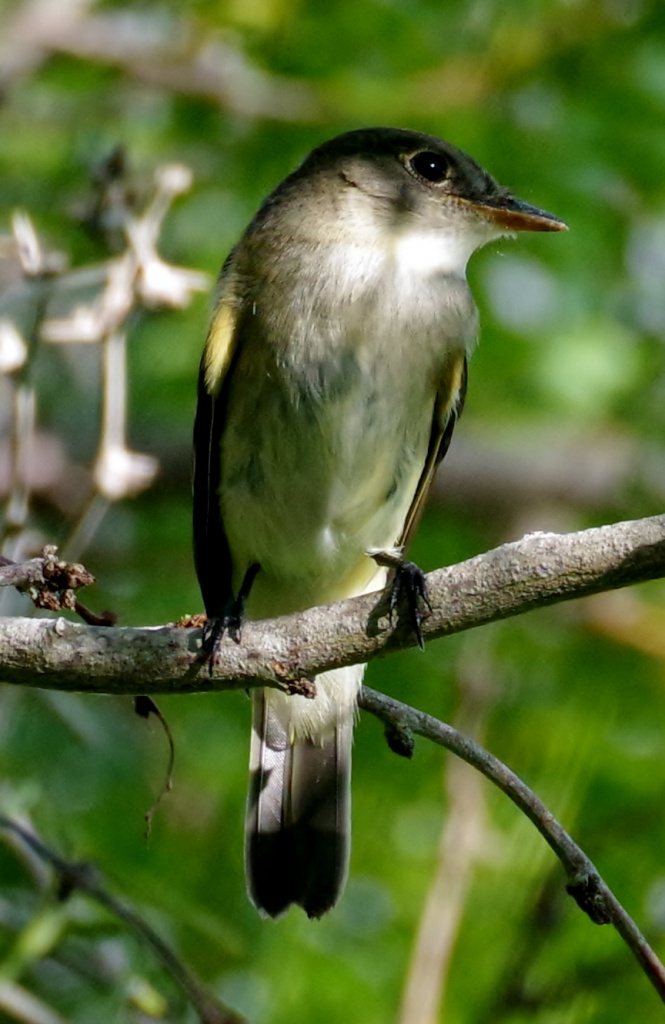
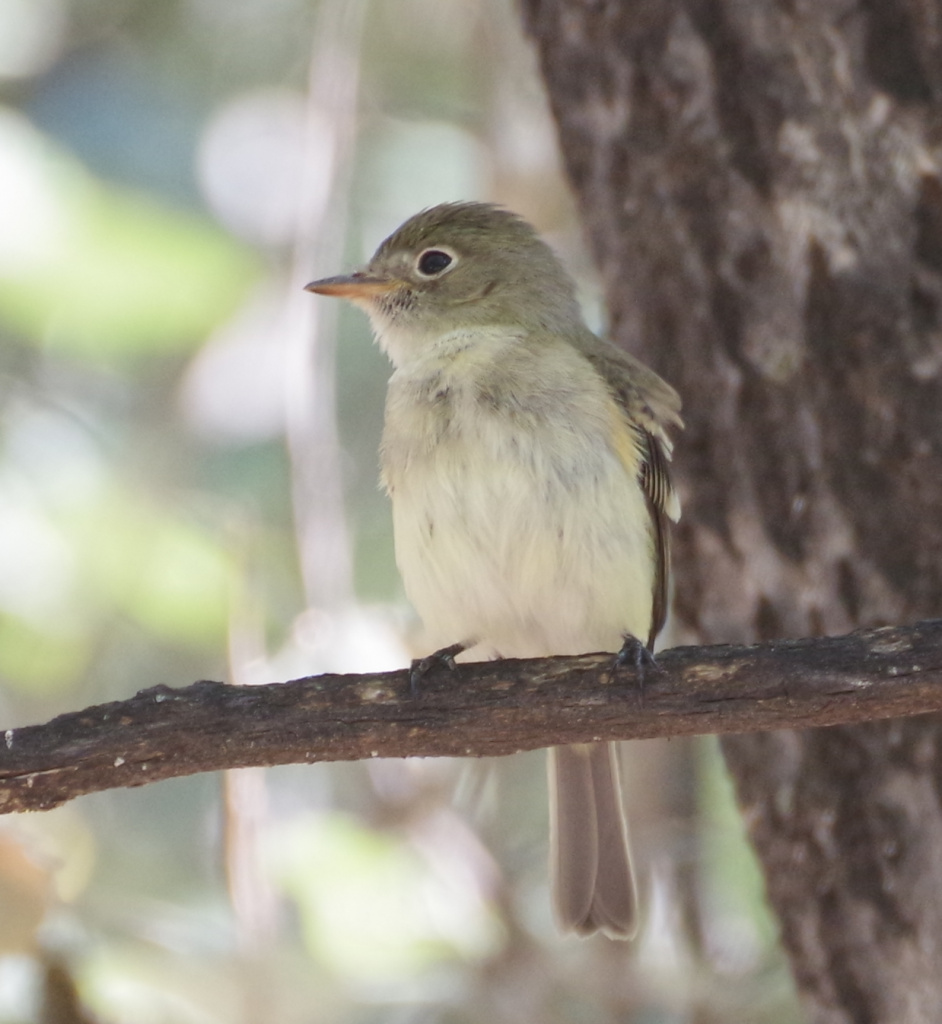
Fall Migration across Texas
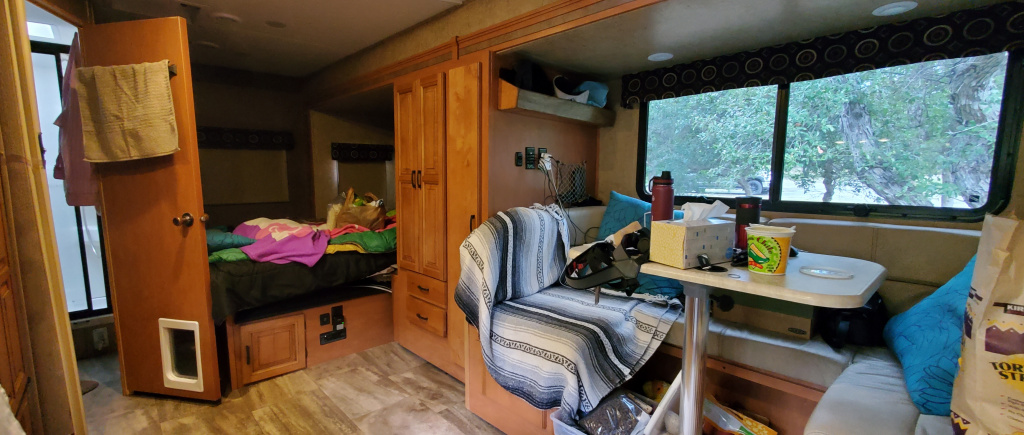
We had planned to observe bird migration across Texas in April, 2020. Covid shut down those plans. A year and a half later, we followed through. For the trip, we rented an RV, in part to avoid people in public restrooms.
The RV was also to make Luke more comfortable with AC and floorspace. We had attributed his slowing down and restless nights to age. Even the vet thought Luke might be OK to travel with us to Texas, until an xray revealed widespread cancer in his lungs. Our sweet boy was so strong he endured without complaint, but his condition was “dire” and a “crisis imminent.”
What was to be a last hurrah became a distraction from grief.

Our 1000 mile drive to the Gulf Coast took us to two of our favorite state parks: South Llano and Choke Canyon.
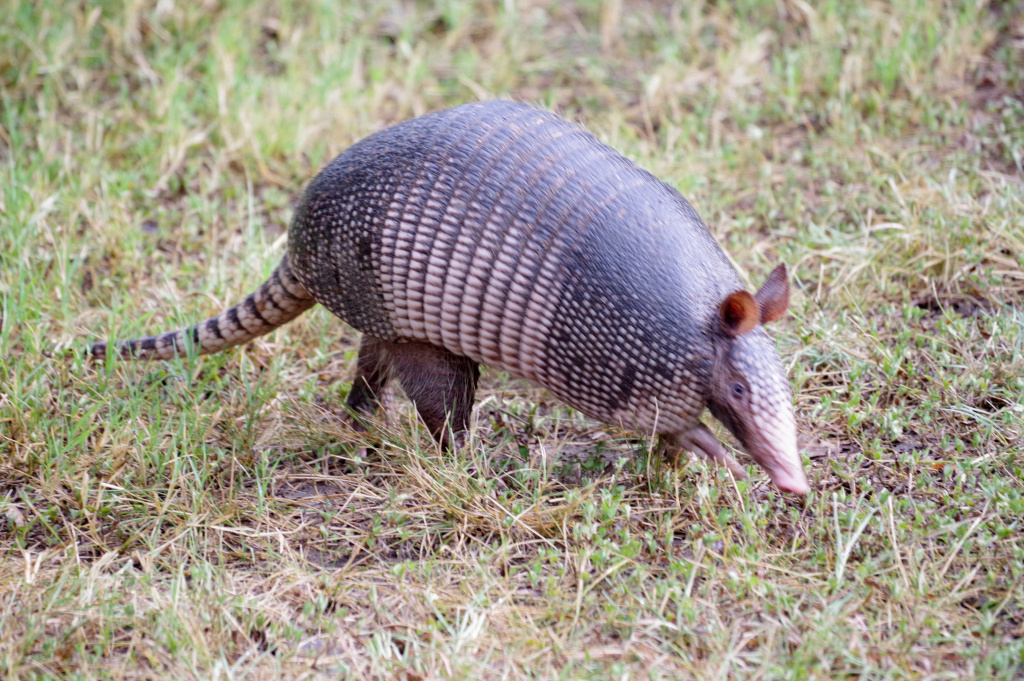
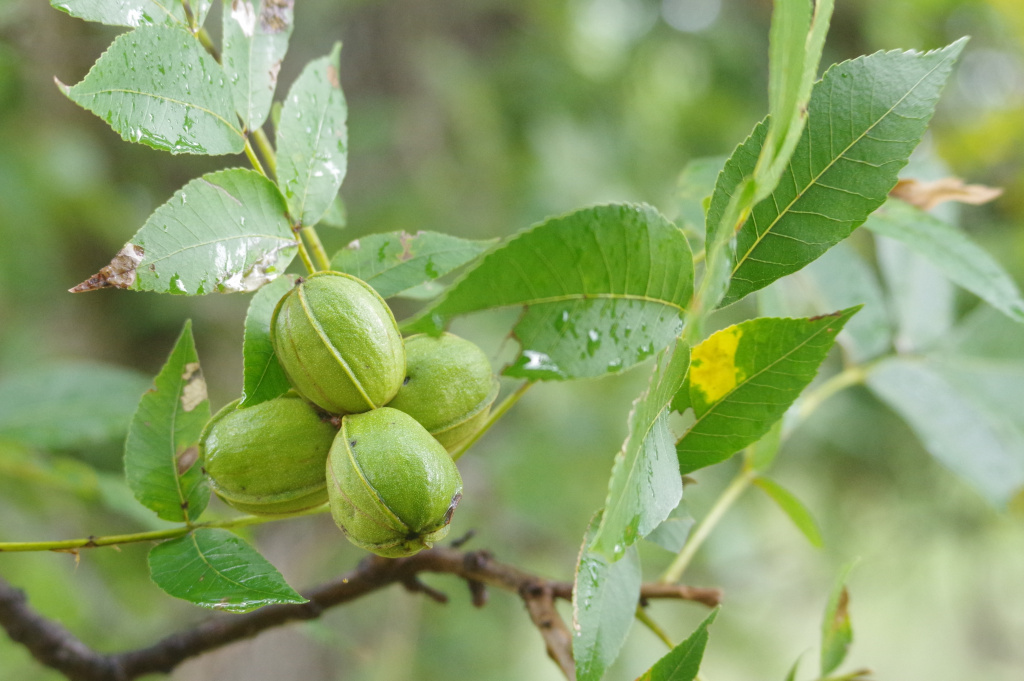
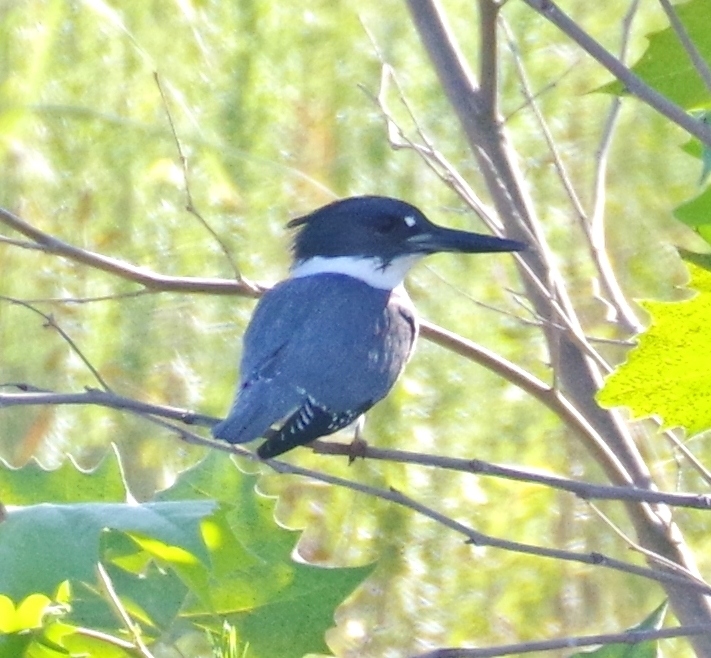
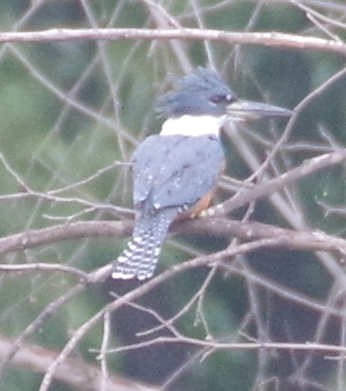
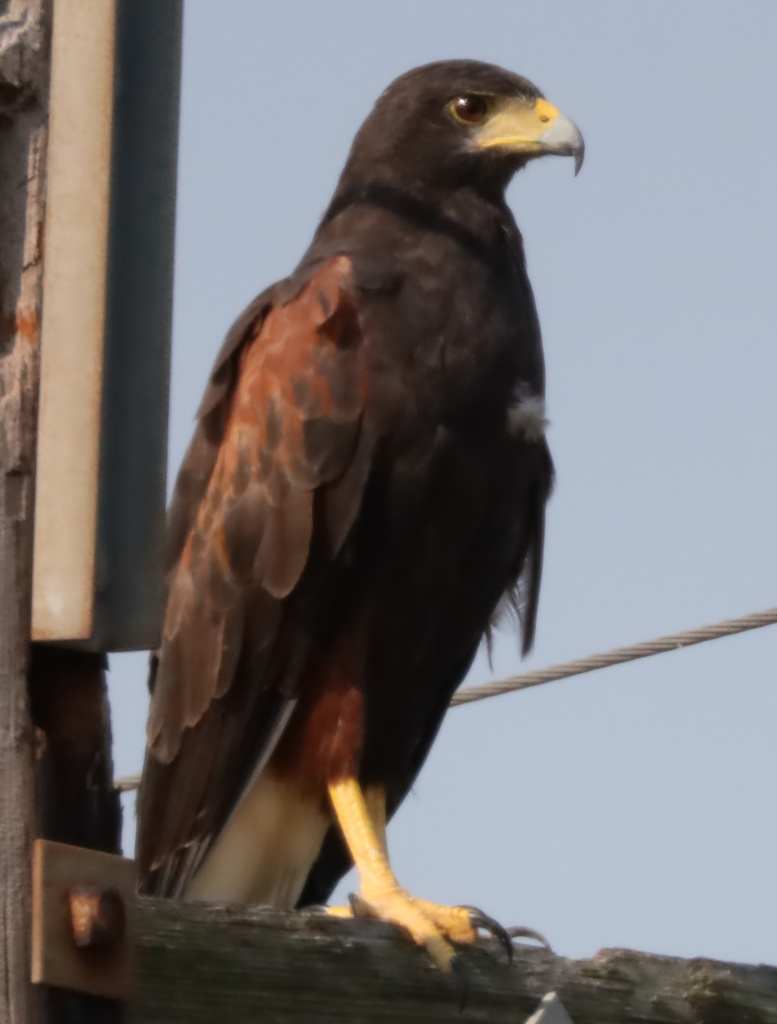
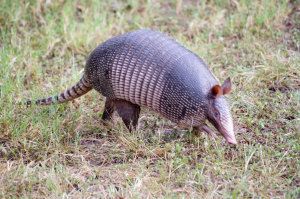
South Llano is perfect. Numerous shaded trails radiate from the small but spacious campground — no driving necessary. (Get the brisket from Lum’s BBQ in Junction before you stop.) The landscape is stunning, especially under the canopy of giant pecan trees. Birds? Oh, yeah, including Ringed Kingfishers (much bigger than the more familiar Belted Kingfishers), Black Vultures hanging and soaring with Turkey Vultures, raucous yellow and brown Great Kiskadees, Turkeys, Crested Caracara (a big tropical falcon), Cardinals, Wrens, Orioles, and Tanagers. (This trip, we didn’t see Yellow-billed Cuckoos here, Black-Capped Vireo, or the even rarer Golden-Cheeked Warblers.) Plus armadillos bumbling through the vegetation.
Farther south, Choke Canyon is more open and drier than Llano. Here, we did see one cuckoo (directly over our camping chairs), the first Black & White Warbler of the trip (soon, there would be many more), and Roseate Spoonbills. We also saw Paraque and Fulvous Whistling Ducks (they do whistle), names that sound made up by Edward Leer.
Texas in September is so gawd-awful humid we could only stand to be out before 10am or briefly afterward. Thank god for AC and Internet (unavailable in Llano and Choke).
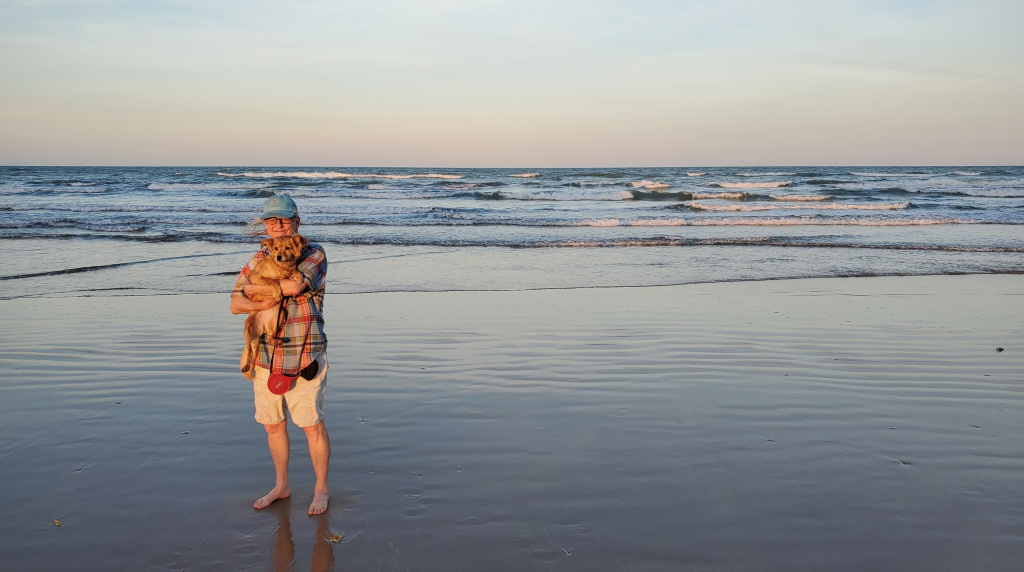
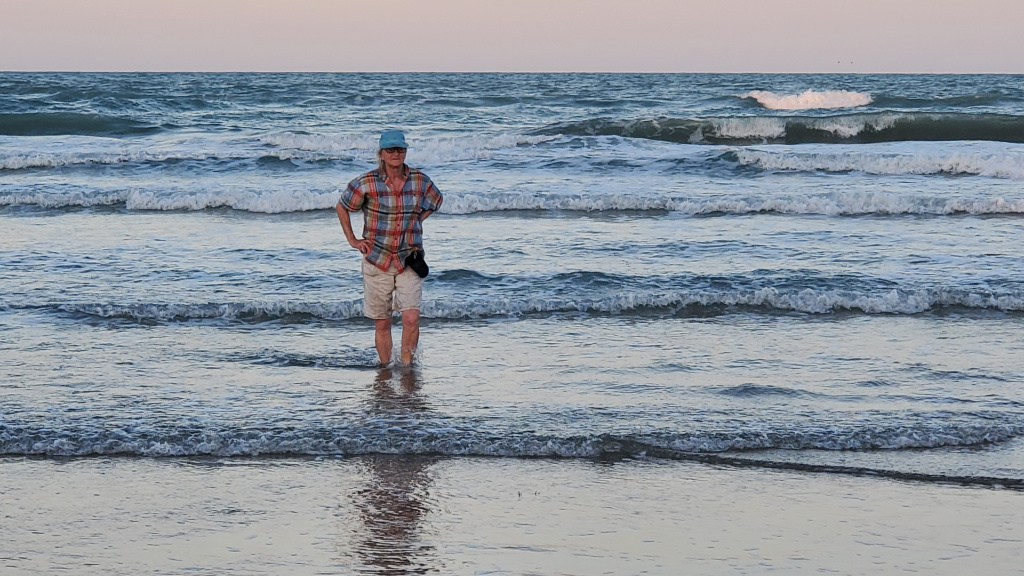
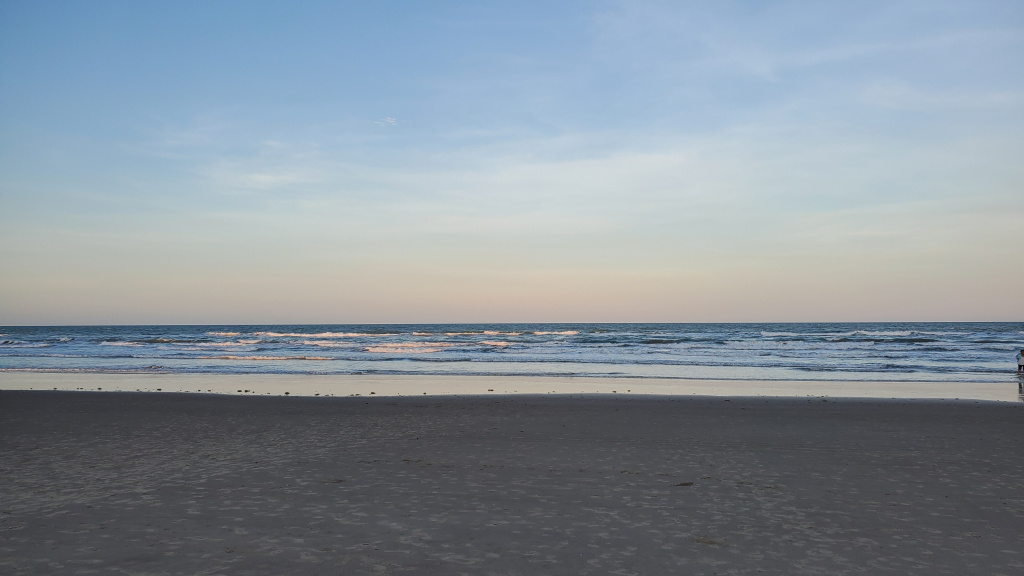
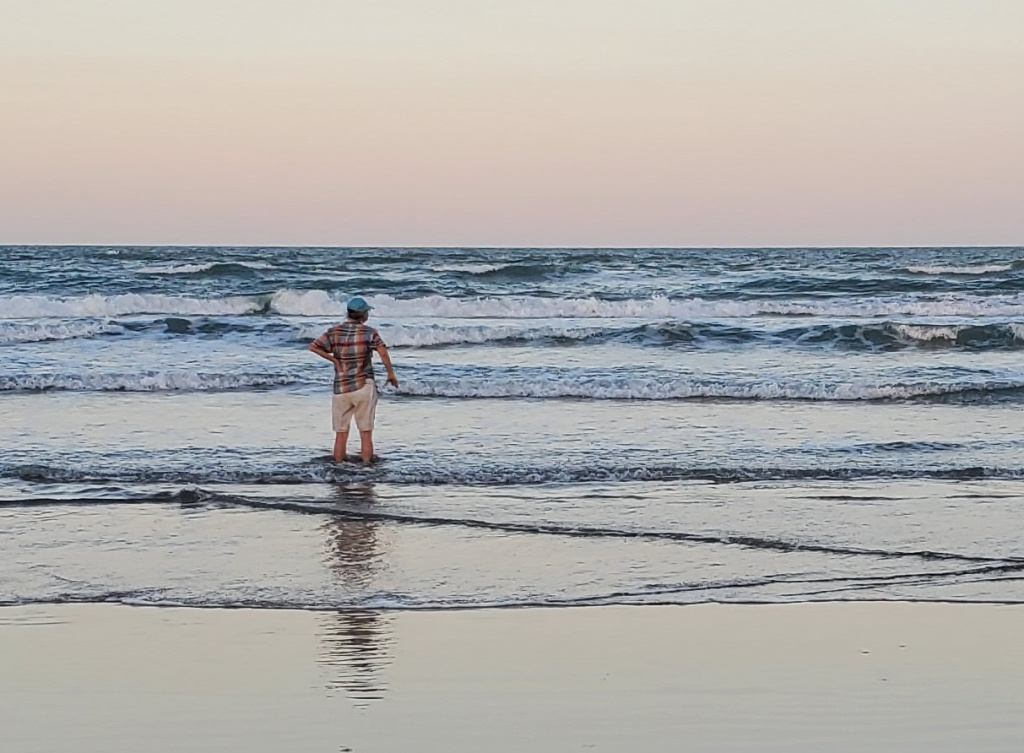
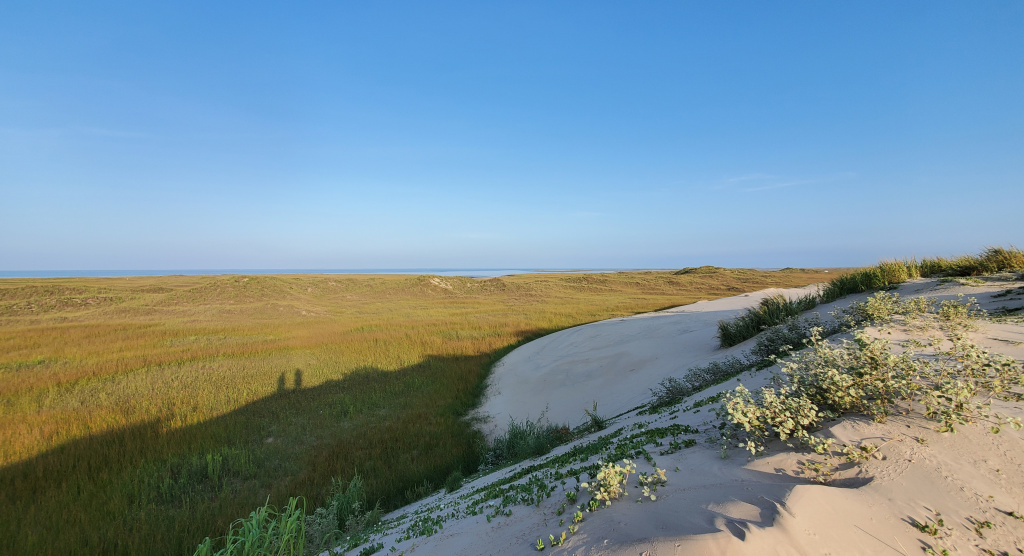
At the far end of the road, we stopped on South Padre Island. We parked the RV and stayed in a bungalow a short walk from the beach, which we walked to twice a day, near dawn and dusk. Autumn loves sand but not water.
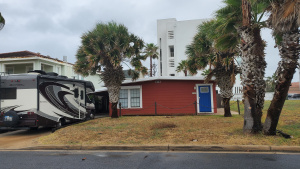
Our first few days on the island coincided with la tormenta tropical “Nicholas.” Friends in Florida thought we were mad not to flee in advance, but old Nick turned his wrath up the coast. We got a good soaking, a blessing to desert-dwellers.
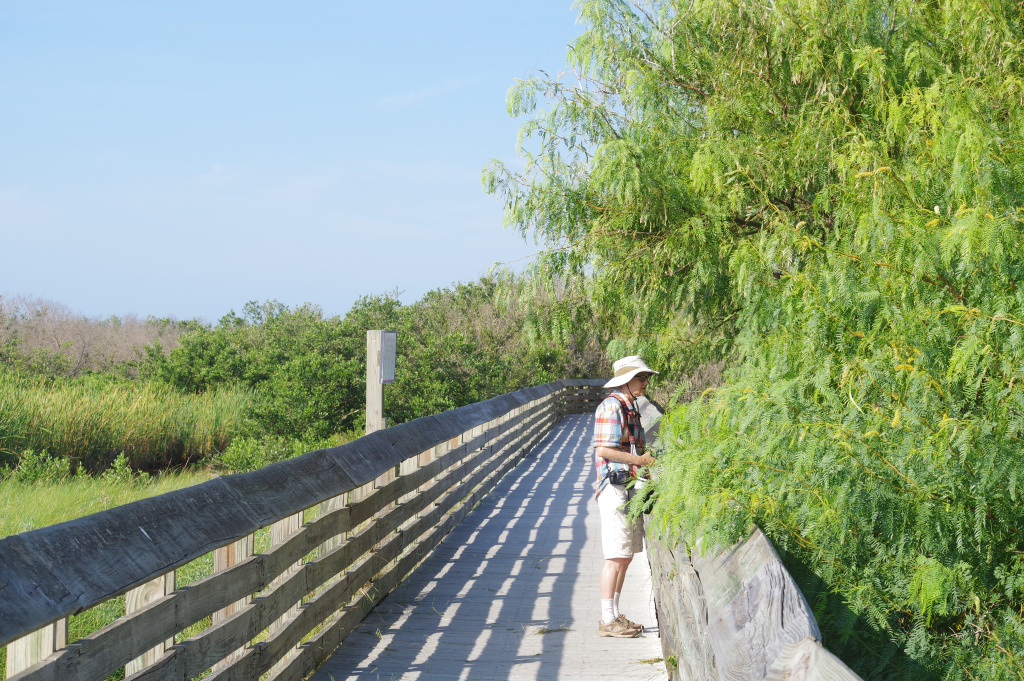
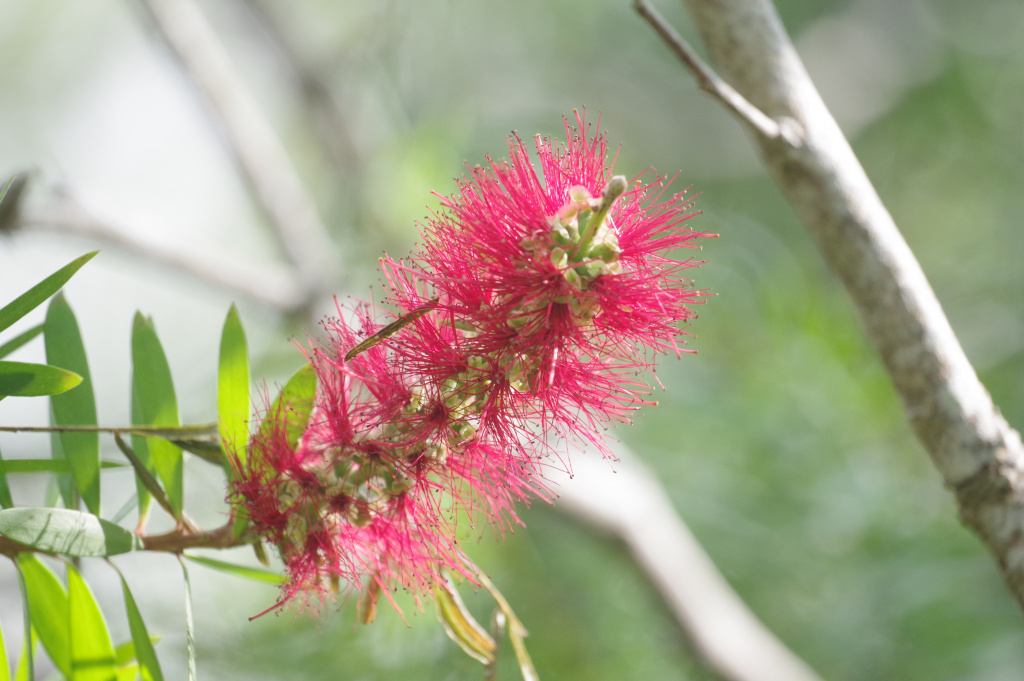
A few miles from our house were two extraordinary birding destinations, so close their boardwalks nearly connect. At first, our favorite was the World Birding Center with its garden that was a warbler grove during our visit. We visited twice a day for several days. One evening, warblers were so abundant they flew into each other and into Mer’s hat: Black & White and Blackburnian dominated but there were others.
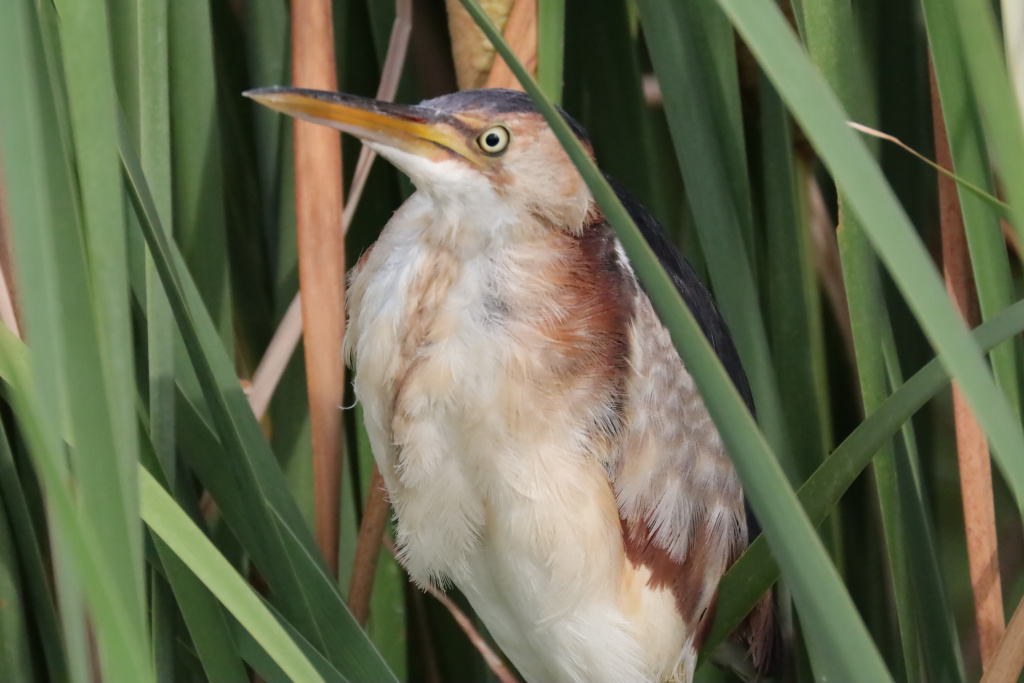
On the boardwalk, what I took to be a tiny heron stared back at me, as if each of us couldn’t believe what we were seeing. When I motioned to Mer to look, the bird melted into the tall grass. This was a Least Bittern, a Lifer for us. Seldom seen, especially at eye-level from 6 feet away. (So close, I couldn’t get it all in the frame of a picture.) Thank you, shy bird.
Over time, we shifted attention to the Convention Center for its little shaded oasis and landscaped grounds. More warblers, more Lifers. Best of all: a Chuck-Will’s Widow (seriously), a nightjar (really). The brief initial sighting would have been enough, but it circled and flew right past me looking for a daytime resting place — a big-headed brown “hawk.” Only that could outshine 9 Magnificent Frigatebirds circling overhead.
One does not live by birdings alone. We got a great pizza for carryout. Another time, ceviche & shrimp. We brought so much food with us we didn’t visit a single grocery store. Just one liquor store; Texas has Yuengling beer (NM does not). And a quik-e-mart for ice cream and more beer.

The people we encountered were all pleasant. We saw more masks than we expected and no guns. The only Trump signs or flags were on a few rural estates. (“God, guns, country. Trump.” Certainly not “country.”)
We only almost ran out of gas twice. GPS failed us repeatedly. Please forgive our huge carbon-footprint.
Two weeks later, we returned home with thousands of photos (dozens of keepers). Most of the chaos has been contained. Life goes on. It’s good to be home.
If you haven’t seen Jupiter and Saturn, you’re missing something! | Astronomy Essentials | EarthSky
A *deep* dive into what’s happening RIGHT NOW. Look up more than one night.Â
[snip] The 2020 great conjunction of Jupiter and Saturn will be the closest since 1623 and the closest observable since 1226! On December 21, Jupiter and Saturn will be only 0.1 degree apart. [“Then the two largest worlds in the Solar System will appear in Earth’s sky separated by only about 1/5 the apparent diameter of a Full Moon.”] Some say the pair will look like an “elongated star†on that date. Will they? Or will they look like a double planet? To know for sure, we’ll have to look and see. They’ll surely be an appealing and mind-expanding sight.
2002’s extra-close Jupiter-Saturn conjunction won’t be matched again until the Jupiter-Saturn conjunction of March 15, 2080.
Equinox, more or less
The Sky This Week, 2020 September 15 – 22 — Naval Oceanography Portal
The astronomical season of autumn begins on the 22nd at 9:31 am EDT. This is the moment when the Sun’s disc reaches an ecliptic longitude of 180 degrees and crosses from the northern hemisphere of the sky into the southern hemisphere. While the term “equinox†means “equal nightâ€, a glance at a sunrise/sunset table reveals that the difference between sunrise and sunset on this date isn’t exactly 12 hours as one might expect. Since the Sun subtends a tangible disc and we measure sunrise and sunset by the first and last appearances of the solar limbs, the duration of daylight is 12 hours and 8 minutes on the 22nd here in Washington. The actual date when day and night are equal falls on the 26th. From then until March 16th next year our nights will be longer than our days.
[“Hello, darkness, my old friend.”]
The organic contours of walls in Hovenweep, Utah
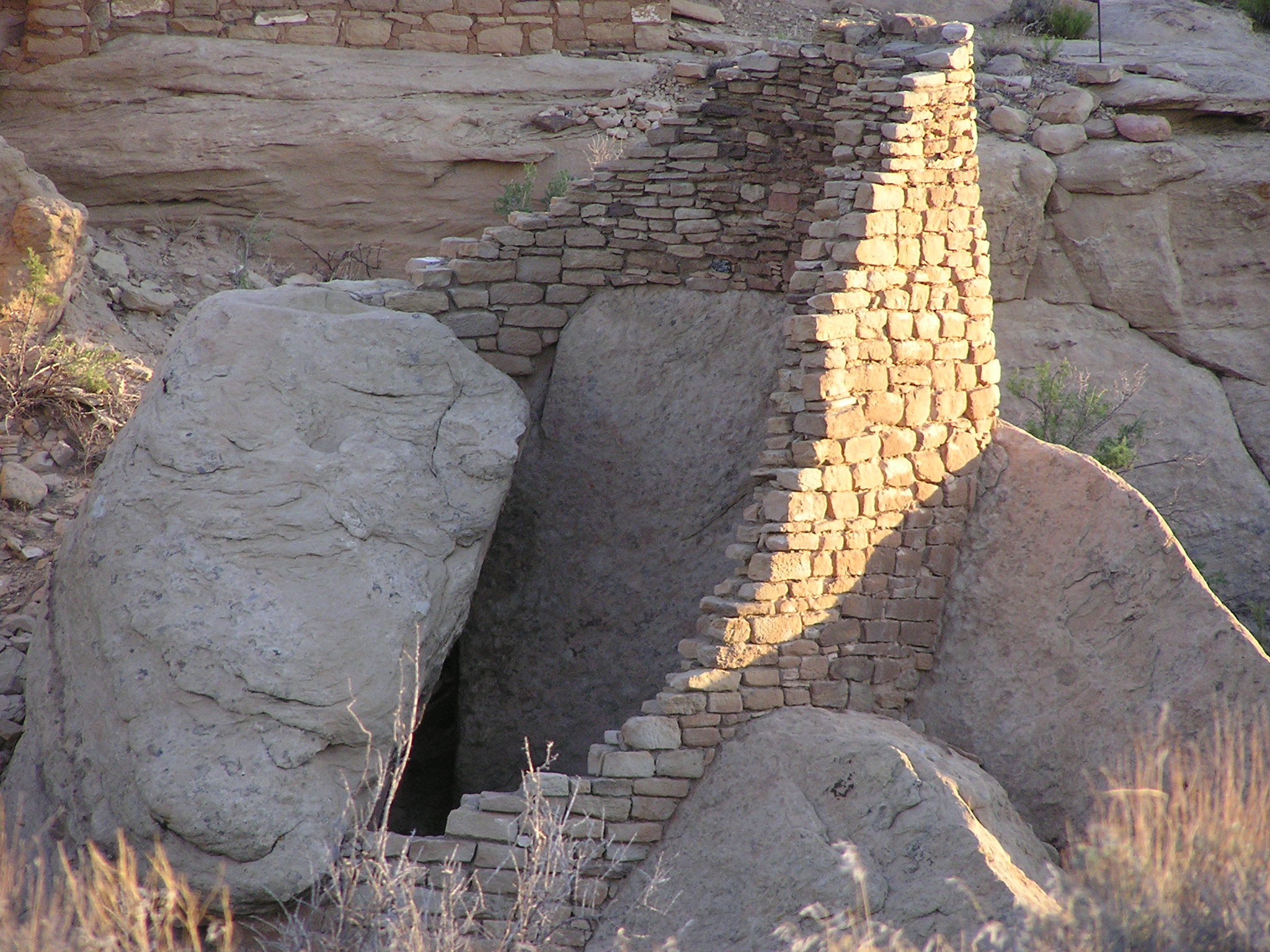
One way Hovenweep differs from Chaco is scale. Chaco is massive — it’s a city. Hovenweep’s smaller buildings are scattered around the area more, like a farming village or scattering of families. Another difference is most (though not all) of Chaco’s structures start on flat land. Look at how this wall in Hovenweep emerges out of the underlying rock.Â
This particular wall fascinates for another reason: why is it there? It doesn’t appear to enclose a usable space nor form the foundation of such. It appears more decorative than functional. Of course, looking larger isn’t merely decorative — it can be defensive or imposing. The masons of Hovenweep had a flare for the dramatic and skill to produce unique buildings.Â
Latest sunset 6/27/20
The Sky This Week, 2020 June 23 – 30 — Naval Oceanography Portal
The year’s latest sunset occurs on the 27th for folks living in northern temperate latitudes. Here in Washington Old Sol slips below the horizon at 8:38 pm EDT that evening. Most of us probably won’t notice the Sun’s gradual return to earlier set times for a couple of weeks; he won’t set before 8:30 pm until July 20th. On the other end of the day, though, sunrise is now four minutes later than it was on June 13th, so the days are indeed beginning to gradually get shorter.
Summer Solstice — Winter is coming
The Sky This Week, 2020 June 16 – 23 — Naval Oceanography Portal
Astronomical summer officially arrives on the 20th at 5:44 pm EDT. This is the moment when Old Sol reaches an ecliptic longitude of 90 degrees, and it also happens to be the time when he reaches his highest northern declination, with the center of his disc perched over the Tropic of Cancer. This is the longest day for residents of the Northern Hemisphere, but the length of day varies widely with latitude. Here in Washington we will have 14 hours 54 minutes between sunrise and sunset. Residents of Hawai’i will only see 13 hours 20 minutes of daylight, while residents of Fairbanks will have 21 hours and 50 minutes to enjoy the Sun along with twilight to fill the remaining hours.
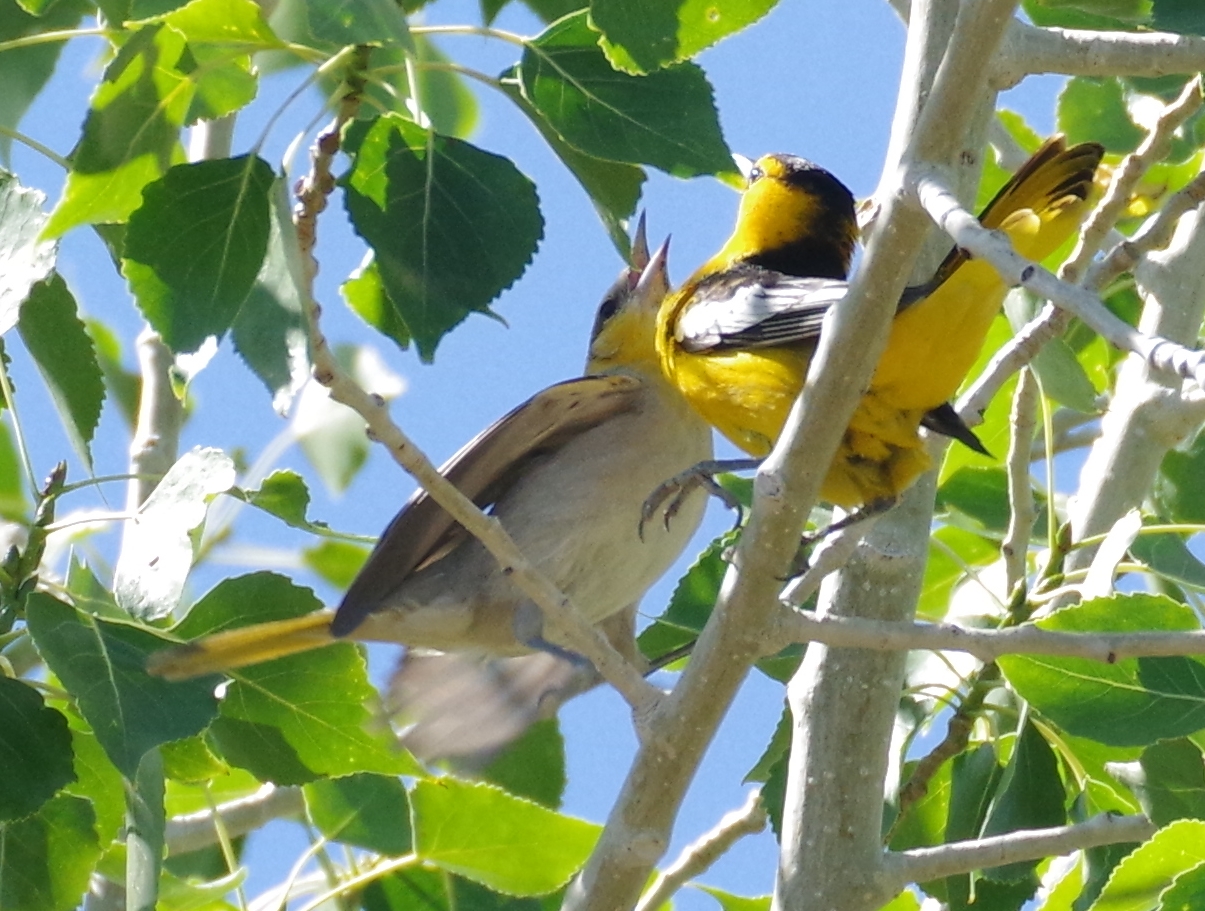
Bullock’s Oriole feeding
Protected: Platoro
Full Moon 5/7/20
The Sky This Week, 2020 May 5 – 12 — Naval Oceanography Portal
Full Moon occurs on the 7th at 6:45 am Eastern Daylight Time. May’s Full Moon is popularly known as the Grass Moon, Flower Moon, Milk Moon, Corn Planting Moon, or (in honor of an important day) Mother’s Moon.